1. Plasma: The Fourth State of Matter
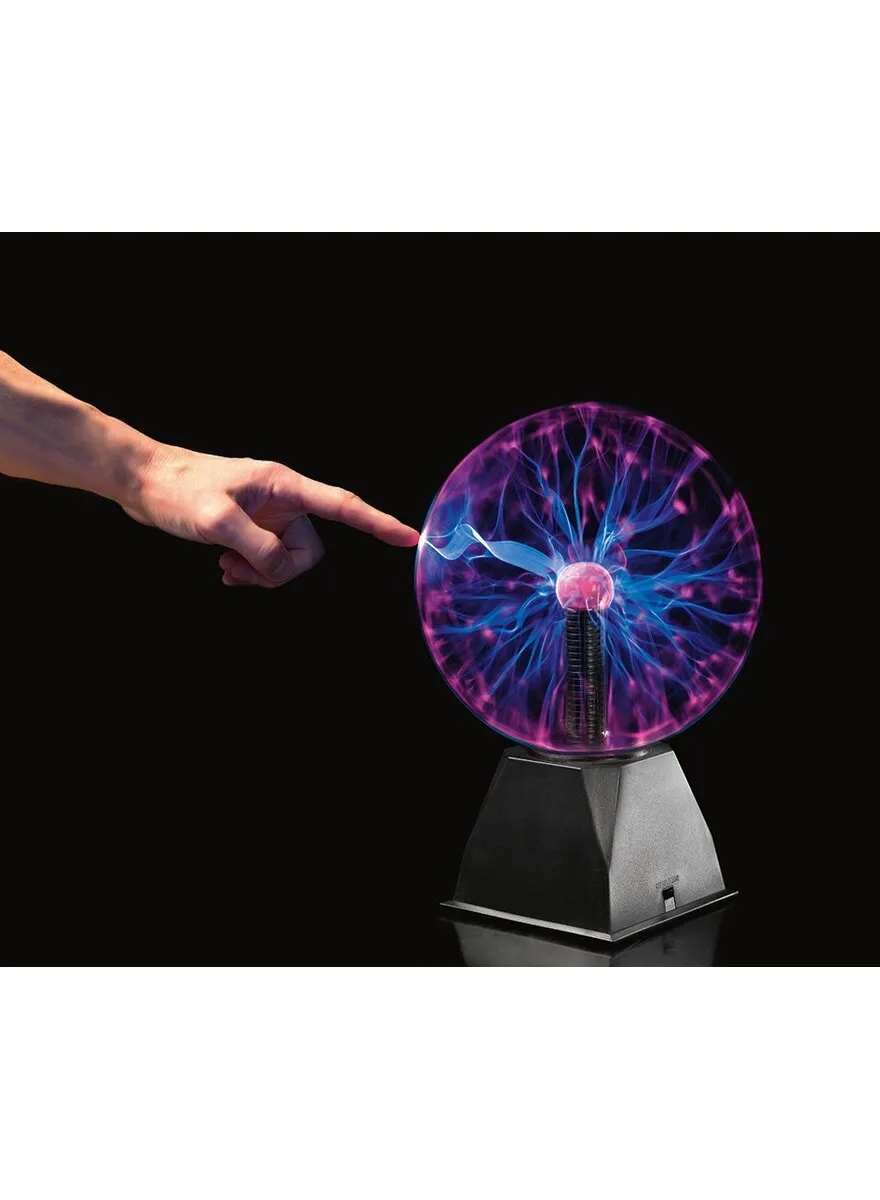
Plasma is often called the fourth state of matter — an ionized gas made of charged particles and free electrons. It makes up nearly 99% of the visible universe,
Introduction
When we think about the states of matter, the first ones that come to mind are usually solids, liquids, and gases. We learn them early in school, see them all around us every day, and rarely question whether there are any more than these three. Yet, scientists have long known that there is actually a fourth state of matter — one that is far more common throughout the universe than the other three combined. This extraordinary form is called plasma, and while it may seem less familiar to many people on the surface of our planet, it is, in fact, the most abundant form of all visible matter in existence.
What Exactly Is Plasma?
To understand plasma, it helps to first recall what happens when matter changes from one state to another. If you take a solid and heat it up enough, it becomes a liquid. Heat that liquid further, and it turns into a gas. But what happens if you keep heating that gas to extremely high temperatures, or if you pass a strong electrical current through it? At temperatures often reaching thousands or even millions of degrees Celsius, something remarkable takes place. The atoms within the gas begin to lose their structure. The electrons that normally orbit around the nucleus break free, leaving behind positively charged particles known as ions. The result is a mixture consisting of freely moving negatively charged electrons and positively charged ions — and this energetic, electrically charged mixture is what we call plasma.
Because plasma contains charged particles that are free to move around, it behaves very differently from ordinary gas. While normal gas is generally a good insulator and does not interact strongly with electric or magnetic fields, plasma conducts electricity extremely well and responds powerfully to magnetic fields. In fact, magnetic fields are often the main force that shapes and confines plasma. This unique characteristic is what gives plasma its special place in physics — it is not just a "hot gas," but a completely distinct state of matter with its own laws and behaviors.
Where Plasma Exists in the Universe
Plasma is everywhere, even if we do not always recognize it. It makes up roughly 99% of all observable matter in the universe. Every single star you see in the night sky — including our own Sun — is a massive ball of plasma, burning brightly through nuclear fusion reactions deep within its core. Vast clouds of gas and dust in space, known as nebulae, become plasma when energized by radiation from nearby stars. Even the thin matter that fills the space between planets and stars is often in a plasma state.
On Earth, plasma is much less common naturally, because our planet’s gravity and atmosphere keep most matter in the three more familiar states. Still, we do see it in spectacular natural events. The most familiar example is lightning — during a thunderstorm, electrical charges build up in clouds until the air cannot insulate them any longer. The air instantly becomes ionized, creating a brilliant flash of plasma that we see as lightning. Another beautiful natural display of plasma is the auroras, also known as the Northern and Southern Lights. These shimmering curtains of color in the sky form when charged particles from the Sun collide with gases high in Earth’s atmosphere, turning them into glowing plasma.
Plasma is also found in many places we might not expect in our daily lives. Inside fluorescent light bulbs and neon signs, a small amount of gas becomes plasma when electricity flows through it, producing the bright light we use every day. Plasma televisions and computer screens once relied on tiny cells of plasma to create images. Even the exhaust coming out of a jet engine or a rocket launch can briefly contain plasma at extremely high temperatures.
Why Plasma Is Important for Our Future
Understanding plasma is not just a matter of scientific curiosity — it is one of the most important keys to our future technology and energy needs. Today, plasma is already used in many industries. It is used to sterilize medical equipment because its high energy can kill bacteria and other microorganisms without damaging sensitive tools. It helps manufacture microchips and electronics by etching materials with incredible precision. Plasma cutting allows metalworkers to slice through thick steel quickly and accurately.
Perhaps the most exciting use of plasma, however, is in the search for clean, unlimited energy through nuclear fusion. Right now, the energy sources we rely on — fossil fuels, solar power, wind, and even nuclear fission — all have limitations. Fusion works the same way that stars produce energy: by fusing light atoms together under immense heat and pressure. Because this process only happens naturally inside stars, scientists must recreate those conditions here on Earth by heating gases to hundreds of millions of degrees, turning them into plasma, and holding them in place using powerful magnetic fields. If we can successfully control and sustain this reaction, we will have a clean energy source that produces no greenhouse gases, creates very little dangerous waste, and runs on seawater — a resource that is practically limitless. It could change civilization forever.
Conclusion
Plasma may be the least familiar state of matter to many of us here on Earth, yet it is the very substance that lights up our universe. From the stars in the farthest reaches of space to a simple flash of lightning during a storm, plasma is always there, shaping the cosmos we live in. As we learn more about its properties and how to harness its power, it will undoubtedly play an even greater role in the future of human progress — powering our cities, advancing our technology, and helping us unlock some of the deepest mysteries of the universe itself.

Why the Ocean Matters to Every Breath You Take
The surprising role of tiny marine organisms in producing oxygen and regulating the climate of our planet.

How Artificial Intelligence Is Changing Modern Science
Discover how artificial intelligence is transforming scientific research, helping scientists analyze data, make discoveries, and solve complex problems.