A beginner guide to retirement saving when starting late
Translate an anxious long-term goal into an achievable recurring plan. Estimate future spending, available accounts
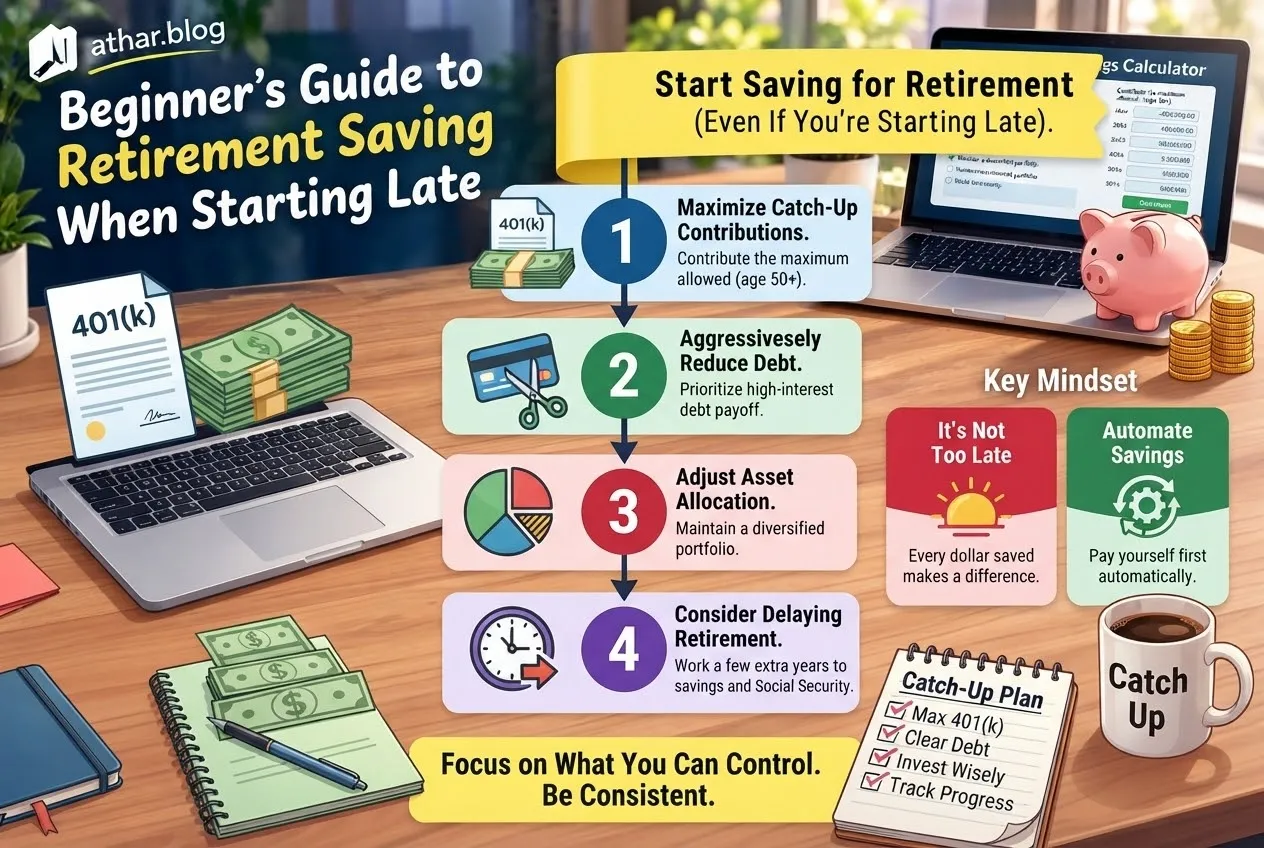
A journey into retirement saving, especially when initiated later in life, often feels daunting. However, it's more effectively navigated by focusing on concrete, actionable steps rather than being overwhelmed by complex financial jargon. The objective is to translate an abstract, long-term aspiration into a series of achievable, recurring actions. This isn't about replicating someone else's financial strategy; it's about crafting a thoughtful plan that aligns with your unique circumstances, resources, and constraints.
Clarifying Your Retirement Vision
Before embarking on any financial adjustment, it's crucial to define precisely what you aim to achieve. Articulate your desired outcome in a single, measurable sentence. This clarity distinguishes a tangible goal from a vague wish. For instance, "accumulate sufficient funds to cover essential living expenses without employment from age 65" is a measurable outcome, whereas "be comfortable in retirement" is an aspiration needing further definition.
Take stock of your current financial habits and what aspects of your present saving or spending are already effective. Do not dismantle what works without a clear reason. Document your current financial process, including the time, cost, or friction involved in your existing saving methods. This creates a valuable baseline against which you can measure the impact of any subsequent changes. For example, if you're currently saving nothing, your baseline is zero. If you're saving 5% of your income, that's your starting point. Understanding this baseline is fundamental for evaluating progress and making informed adjustments later.
Developing a Tailored Financial Blueprint
Crafting an effective retirement plan requires a pragmatic assessment of your financial landscape. Begin by estimating your projected future spending in retirement, identifying the various investment accounts available to you (e.g., 401(k), IRA, Roth IRA, taxable brokerage accounts), factoring in any employer contributions or matching programs, and accurately calculating the number of years remaining until your target retirement age.
It's prudent to model several potential return assumptions for your investments – conservative, moderate, and optimistic – rather than relying on a single, overly sanguine forecast. This helps you understand the range of possible outcomes and build a more resilient plan. When evaluating different saving strategies or investment vehicles, compare them consistently across critical criteria: upfront and ongoing costs, the effort required for setup and maintenance, reliability of the investment vehicle or strategy, the reversibility of the decision (how easy it is to change course), and the potential impact on any dependents or family members. A simple, written comparison of these factors can often prevent costly mistakes stemming from impulsive commitments. The best approach is to start with the smallest useful version of your plan. If it proves beneficial, you can expand and refine it; if not, you can pivot without significant loss of time or effort.
Assessing Practical Scenarios
Consider a practical example: a worker in their early forties might evaluate two primary retirement saving strategies. One option involves gradually increasing their 401(k) contributions by one percentage point of their salary each year, alongside maintaining a dedicated emergency fund equivalent to six months of living expenses. The alternative could be to maintain their current contribution rate, perhaps at 5% of their salary, while simultaneously paying down a high-interest mortgage. This example highlights the importance of starting with real-world constraints and focusing on observable outcomes. The specific details and scale of the plan must be adapted to your unique financial situation and risk tolerance. If your decision impacts a spouse or partner, actively involve them in the discussion, understanding their priorities and concerns rather than making assumptions.
Leveraging Workplace Benefits
Many employers offer retirement plans such as 401(k)s or 403(b)s, which are often excellent starting points.
- Employer Match: Always contribute at least enough to receive the full employer match, if offered. This is essentially free money and provides an immediate, guaranteed return on your investment. For example, if your employer matches 50 cents on the dollar up to 6% of your salary, contributing 6% of your salary effectively gives you an additional 3% from your employer.
- Contribution Limits: Understand the annual contribution limits for these accounts and aim to maximize them if possible, especially as you get closer to retirement. For 2024, the IRS limit for 401(k) contributions is $23,000, with an additional catch-up contribution of $7,500 for those aged 50 and over.
- Fund Selection: Review the investment options within your workplace plan. Prioritize low-cost index funds or target-date funds that align with your retirement timeline.
Exploring Individual Retirement Accounts (IRAs)
Beyond employer-sponsored plans, IRAs offer additional avenues for tax-advantaged savings.
- Traditional IRA: Contributions may be tax-deductible, reducing your taxable income in the present. Withdrawals in retirement are taxed as ordinary income.
- Roth IRA: Contributions are made with after-tax dollars, meaning qualified withdrawals in retirement are completely tax-free. This can be particularly beneficial if you anticipate being in a higher tax bracket in retirement than you are now.
- Contribution Limits: For 2024, the IRA contribution limit is $7,000, with a $1,000 catch-up contribution for those 50 and older. Consider whether your income level allows for Roth IRA contributions, as there are income phase-out limits.
- Brokerage Choices: You have a wider range of investment choices within an IRA than often available in a 401(k), including individual stocks, bonds, mutual funds, and Exchange Traded Funds (ETFs).
Essential Safeguards and Vigilance
The financial landscape is dynamic. Tax regulations and contribution limits are subject to change based on legislative decisions. It is ill-advised to indiscriminately adopt another person's asset allocation strategy without carefully considering your personal risk tolerance and your specific time horizon until retirement. Be particularly cautious of financial advice that omits crucial details such as associated costs, the broader context of your financial situation, or the inherent uncertainties of market performance.
Maintain a meticulous record of what went wrong, not just what succeeded. A missed financial target or an investment that underperformed provides valuable information. It's a data point for learning and adjustment, not a justification to abandon your entire plan. For any topic involving significant financial implications, health, legal obligations, or sensitive personal information, it is imperative to verify all relevant rules and regulations within your local jurisdiction and to seek qualified professional guidance when necessary.
Charting Your Next Course of Action
Your immediate next steps should involve a thorough review of your workplace benefits, understanding the associated fees, and exploring all available contribution options. For highly individualized decisions, especially concerning complex investment strategies or estate planning, seeking regulated financial advice from a certified professional is highly recommended.
Set a realistic date for reviewing your progress. At that designated time, compare your current financial standing against your established baseline. Ask yourself whether the changes you implemented have effectively addressed your initial concerns or goals. Based on this assessment, decide whether to continue with your current strategy, revise certain elements, or pivot to an entirely different approach. Sustainable progress in retirement saving often stems from modest, consistently applied actions rather than grand, one-off decisions. Document your journey – your decisions, their rationales, and their outcomes. This personal evidence will prove far more valuable in shaping your future financial choices than relying on generalized success stories.
Related articles:

كيف تستلم أرباحك من التدوين والإنترنت في الدول العربية: أفضل البنوك الإلكترونية والحسابات 2026
دليل شامل لسحب واستلام أرباح التدوين والعمل عبر الإنترنت في مصر والدول العربية في 2026. مقارنة بايونير، وايز، بايبال، والحسابات البنكية بالدولار.
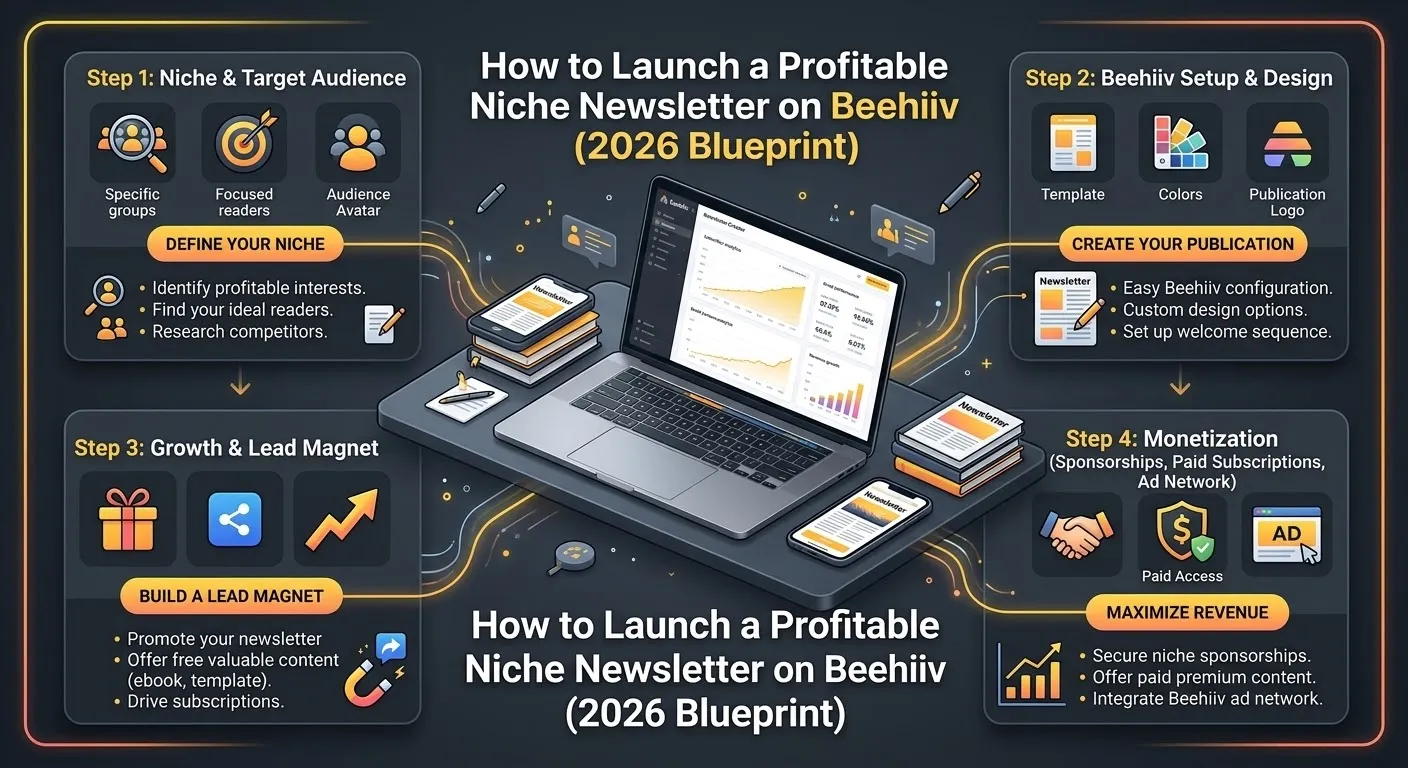
How to Launch a Profitable Niche Newsletter on Beehiiv (2026 Blueprint)
Step-by-step 2026 blueprint for launching a profitable niche newsletter on Beehiiv. Discover audience growth, monetization funnels, boosts, and ad network tacti

إنشاء وبيع الكتب الإلكترونية بالذكاء الاصطناعي: دليلك العملي لعام 2026
`تعلم كيفية إنشاء وبيع الكتب الإلكترونية بالذكاء الاصطناعي في 2026 من اختيار الفكرة وكتابة المحتوى حتى التصميم والتسويق لتحقيق دخل سلبي مستدام عبر الإنترنت.