Email newsletter strategy for a small business
Promise a reason to open each issue and keep that promise. Choose one audience, one regular frequency and a clear editorial angle
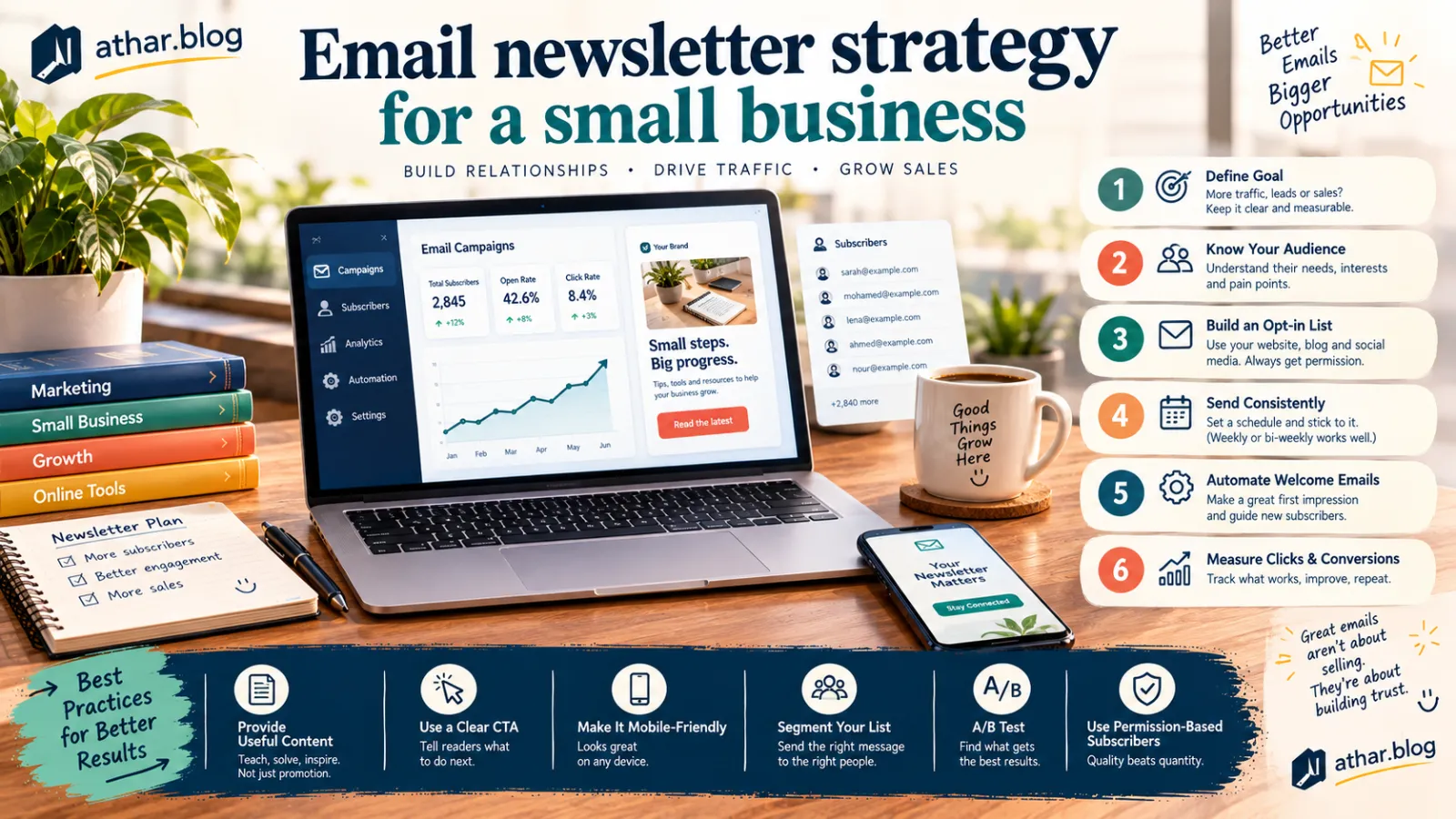
A successful email newsletter strategy for a small business hinges on specific, actionable decisions rather than a mere collection of impressive buzzwords. The process becomes significantly more manageable when you pinpoint precisely what needs improvement, assess the resources at your disposal, and define how success will be measured. Crucially, each newsletter must offer a compelling reason to open it, and you must consistently deliver on that promise. The objective here is not to blindly replicate another business's approach, but to cultivate a well-considered strategy that aligns perfectly with your unique operational constraints and capabilities.
Clarifying Your Core Objective
Before embarking on any strategic changes, articulate the desired outcome in a single, concise sentence. Distinguish clearly between a measurable achievement and a nebulous aspiration. For instance, "saving 10 hours per month on customer support" is a measurable outcome, whereas "having a better connection with customers" is a vague aspiration. Specific jobs could include reducing customer service inquiries, increasing repeat purchases, building brand recognition, or establishing a consistent communication habit.
It's equally important to identify what aspects of your current communication efforts are already functioning effectively, ensuring you don't discard them without due cause. Prior to implementing any changes, meticulously document your existing process, noting the time, cost, and any friction involved. This detailed record will serve as a reliable baseline against which to compare future results, allowing for an accurate evaluation of your new strategy's impact.
Crafting a Practical and Focused Approach
To ensure your email newsletter is effective and manageable, start with a focused scope.
- Define Your Audience: Rather than trying to appeal to everyone, select one specific segment of your customer base. This allows for highly targeted and relevant content.
- Establish Frequency: Commit to a consistent sending schedule that you can realistically maintain – whether it's weekly, bi-weekly, or monthly. Reliability builds anticipation.
- Determine Editorial Angle: Develop a clear theme or purpose for your newsletter. What unique value will it consistently provide? This could be expert tips, exclusive offers, behind-the-scenes content, or community news.
When evaluating potential approaches, move beyond just open rates and focus on more meaningful metrics like replies, website clicks, and actual conversions or actions taken by the recipient. If you find yourself weighing several appealing options, compare them rigorously using a consistent set of criteria.
Key Evaluation Criteria
- Cost: What are the direct financial implications (platform fees, content creation costs)?
- Effort to Set Up: How much time and technical expertise will be required to get started?
- Reliability: How stable and dependable is the chosen platform or method?
- Reversibility: How easy would it be to revert to the old method or switch to a new one if this approach doesn't work?
- People Affected: Who within your team will be impacted, and what training or adjustments will they need?
A straightforward written comparison of these factors can often prevent costly mistakes, particularly those that arise from premature commitment before fully understanding the trade-offs involved. Always aim to start with the smallest viable version of your strategy. If this minimal version proves beneficial, you can incrementally expand and refine it. If it doesn't yield positive results, you can pivot or change course without having invested excessive time or resources.
Practical Examples of Focused Strategies
Consider these practical examples of how a small business might implement a focused newsletter strategy:
- A Local Bakery: Once a week, they send out "Weekend Specials & Baking Tips." Their audience is local customers, and the content includes the week's unique bread or pastry, a simple recipe, and a community event mention. They track website visits to their "Order Ahead" page.
- An Online Pet Supply Store: Bi-weekly, they distribute "Healthy Pet Living Guides." Their target is new pet owners. Content features advice on pet nutrition, product recommendations for specific life stages, and a Q&A section from customer submissions. They monitor sales of featured products.
- A Freelance Graphic Designer: Monthly, they publish "Design Insights for Small Businesses." Their audience is local startups and small business owners. The newsletter offers tips on branding, common design mistakes to avoid, and showcases a recent client project. They measure inquiries for consultations.
Notice how these examples begin with specific constraints and observable outcomes, not unrealistic promises. Scale and adapt these details to your unique circumstances. If your strategy's success depends on another team member, engage them directly. Ask what would make the change genuinely useful for them rather than making assumptions.
Navigating Potential Pitfalls
Several practices can severely undermine trust and the effectiveness of your email newsletter.
- Purchased email lists: These often contain outdated or uninterested contacts and can lead to low engagement, high bounce rates, and potential blacklisting.
- Vague subject lines: Generic or unclear subject lines fail to provide a compelling reason to open the email, resulting in low open rates.
- Excessive sales pitches: Bombarding subscribers with constant promotional content without offering value will lead to unsubscribes and disengagement.
It is paramount to obtain explicit consent from individuals before adding them to your mailing list. Always provide a clear and easy-to-use unsubscribe option in every email, respecting your subscribers' autonomy. Be particularly cautious of advice that omits crucial details such as costs, specific context, or inherent uncertainties.
When reviewing your strategy, meticulously record what didn't work as carefully as you document successes. A missed target is not a failure but valuable information that can guide future adjustments, not a reason to abandon the entire plan. If your newsletter content touches upon sensitive areas like financial advice, health information, legal obligations, or private data, it is imperative to verify local regulations and seek qualified professional guidance when necessary to ensure compliance and accuracy.
Building and Maintaining Trust
Trust is the bedrock of any successful communication strategy. For email newsletters, this means consistently delivering value and respecting your subscribers' inboxes.
Key Trust-Building Elements
- Permission Marketing: Ensure every subscriber has opted in. This means they explicitly gave you permission to send them emails.
- Transparency: Clearly state what subscribers can expect (frequency, content type) during signup.
- Value-First Content: Prioritize content that informs, entertains, or solves a problem for your audience over purely promotional material. A good rule of thumb is the 80/20 rule: 80% value, 20% promotion.
- Respecting Privacy: Safeguard subscriber data and never share it without consent.
- Personalization (Thoughtful): Use a subscriber's name or reference their past interactions when relevant, but avoid overly intrusive or generic personalization.
Consider these practical steps to build trust:
- Double Opt-in: Implement a double opt-in process where subscribers confirm their email address after signing up. This verifies their intent and reduces spam complaints.
- Welcome Sequence: Create an automated series of 2-3 emails immediately after signup that introduces your business, sets expectations, and delivers initial value (e.g., a free guide, an exclusive discount).
- Feedback Loop: Encourage replies to your newsletters. Asking questions or inviting comments fosters a sense of community and shows you value their input.
- Content Calendar: Plan your content in advance to ensure a consistent flow of relevant and valuable information. This helps avoid last-minute, low-quality content.
Your Next Steps for Implementation
To move from planning to action, engage in a practical exercise.
- Draft Sample Issues: Create three distinct sample issues of your proposed newsletter. These drafts should embody your chosen audience, frequency, and editorial angle.
- Solicit Feedback: Share these drafts with a small group of five existing customers or trusted contacts. Ask them directly if they would find such content useful and what improvements they might suggest.
- Set a Review Date: Schedule a realistic date for a comprehensive review of your new strategy – perhaps 30, 60, or 90 days after launch.
- Evaluate Against Baseline: At this review, compare the results achieved (e.g., increased website traffic, specific customer inquiries, reduced customer support calls) against the baseline data you collected earlier.
- Address the Core Problem: Ask yourself: did this change effectively solve the original problem or address the specific objective you initially identified?
- Decide Your Path: Based on your findings, make an informed decision:
- Continue: If the strategy is working well and meeting objectives.
- Revise: If it shows promise but needs adjustments or refinements.
- Stop: If it's clearly not working or consuming disproportionate resources without return.
Remember, sustainable progress often stems from modest, carefully repeated actions rather than grand, one-off decisions. Maintain diligent notes throughout this process. Document your choices, the reasons behind them, and the outcomes. This creates a valuable repository of your own evidence, which will inform your subsequent strategic choices far more effectively than generic success stories or external advice.
Related Articles

العمل الحر من العالم العربي: دليل البداية خطوة بخطوة
دليل عملي للبدء في العمل الحر: اختيار المهارة، بناء معرض أعمال، التسعير، استلام المدفوعات وتجنب الاحتيال.

أفضل بدائل جوجل أدسنس للمواقع والمدونات العربية في 2026: شبكات إعلانية تقبل المواقع الجديدة
دليل أفضل شبكات بدائل جوجل أدسنس للمواقع والمدونات العربية في 2026. شبكات تقبل المواقع الجديدة بدون شروط تعجيزية وتدفع بانتظام عبر بايبال والعملات الرقمية.
Small Business Marketing Without a Big Budget
Proven low-cost strategies for local shops and freelancers to attract customers and build loyalty.