How to build a realistic sleep routine for busy adults
Make consistent timing easier than perfection. Choose a wake time you can sustain, wind down before bed and keep your sleeping area dark, quiet and comfortable
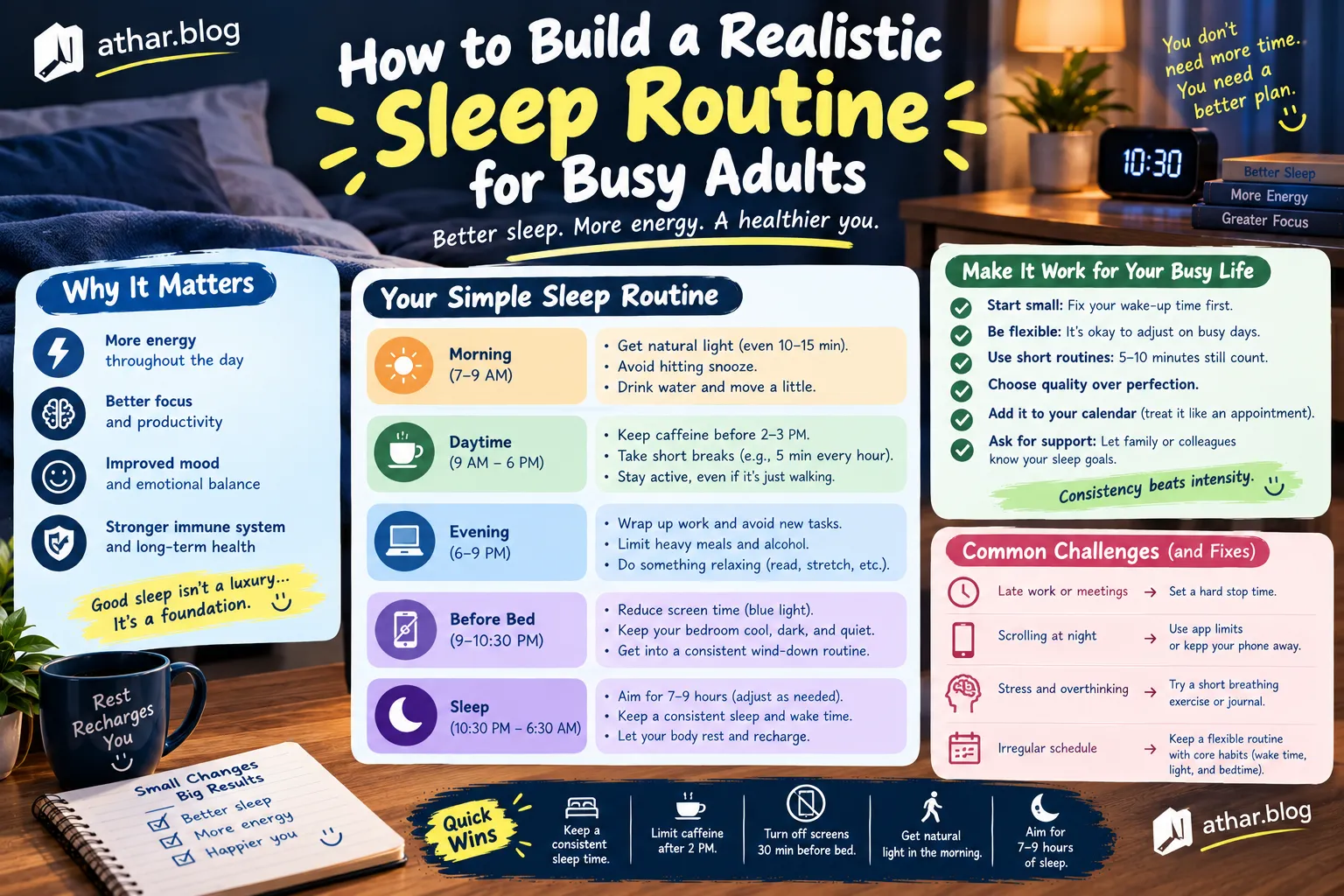
Building a realistic sleep routine for busy adults begins not with a grand vision, but with precise, actionable decisions. Rather than chasing abstract ideals, focus on identifying specific areas for change, assessing your available resources, and establishing clear metrics to gauge success. The goal is not to achieve perfect adherence to an idealised schedule, but to foster consistency and thoughtful adaptation. This process isn't about adopting someone else's routine; it's about crafting a personalised approach that aligns with your unique life circumstances and commitments.
Defining Your Sleep Objectives
Before embarking on any changes, articulate the precise outcome you aim to achieve. Phrase this as a single, clear sentence. Distinguish between vague aspirations and measurable objectives. For example, "feeling more rested" is an aspiration; "waking up without an alarm five out of seven days" is a measurable outcome. Similarly, "saving time in the mornings," "reducing cognitive errors during complex tasks," or "improving responsiveness to early client inquiries" represent distinct challenges requiring different solutions.
To establish a fair comparison, first document your current sleep-related habits.
- Current Bedtime: What time do you typically go to bed?
- Current Wake Time: What time do you typically wake up?
- Sleep Duration: Approximately how many hours do you sleep per night?
- Wake-up Experience: Do you feel refreshed, groggy, or alert upon waking?
- Daytime Energy Levels: How do your energy and focus fluctuate throughout the day?
- Factors Affecting Sleep: What regularly disrupts your sleep (e.g., late-night screens, caffeine, stress)?
This initial assessment provides a baseline against which to measure future progress. It also helps identify any positive elements of your existing routine that you should retain.
Crafting a Sustainable Sleep Schedule
The cornerstone of a healthy sleep routine is consistency. Prioritise choosing a wake-up time that you can realistically maintain every day, including weekends. While occasional deviations are inevitable, striving for a consistent rhythm helps regulate your body's natural sleep-wake cycle, known as the circadian rhythm.
Implementing a Wind-Down Ritual
Equally vital is creating a consistent wind-down period before bed. This signals to your body that it's time to transition from activity to rest.
- Establish a Buffer: Aim for at least 30-60 minutes before your target bedtime to disengage from stimulating activities.
- Dim the Lights: Reduce exposure to bright lights, especially blue light emitted from screens, which can suppress melatonin production. Consider using warm, dim lighting.
- Engage in Relaxing Activities: Read a physical book, listen to calming music, take a warm bath, or practice gentle stretching.
- Avoid Stimulants: Steer clear of caffeine and heavy meals close to bedtime. Nicotine and alcohol can also disrupt sleep quality.
Optimising Your Sleep Environment
Your bedroom should be a sanctuary dedicated to rest. Focus on making it conducive to sleep:
- Darkness: Ensure the room is as dark as possible. Use blackout curtains or an eye mask if needed.
- Quiet: Minimise noise distractions. Consider earplugs or a white noise machine if your environment is noisy.
- Comfortable Temperature: Most people sleep best in a cool room, typically between 18-20°C (65-68°F).
- Comfortable Bedding: Invest in a mattress and pillows that support your body comfortably.
- Declutter: Keep the bedroom tidy and free of work-related items or distracting electronics.
When faced with multiple options for improving your sleep habits, evaluate them using consistent criteria: the financial cost, the effort required for implementation, its reliability, whether it can be easily reversed if unsuccessful, and how it might affect others in your household. A brief written comparison can prevent committing to solutions that prove unsuitable after significant investment.
Addressing Common Obstacles
Even with the best intentions, challenges will arise. One restless night does not signify failure; it's simply a data point. Be mindful of persistent sleep difficulties and seek professional assessment rather than solely relying on over-the-counter supplements or mobile applications.
When to Seek Professional Guidance
While self-help strategies are valuable, there are clear indicators that professional intervention may be beneficial. If you experience any of the following, consulting a qualified clinician or sleep specialist is advisable:
- Chronic Insomnia: Difficulty falling or staying asleep three or more nights a week for over three months.
- Excessive Daytime Sleepiness: Feeling persistently tired or drowsy during the day, even after apparently sufficient sleep.
- Loud Snoring or Breathing Pauses: These can be signs of sleep apnea, a serious condition requiring medical attention.
- Uncontrollable Urge to Move Legs: This could indicate Restless Legs Syndrome.
- Significant Impact on Daily Function: If poor sleep is affecting your work, relationships, or overall well-being.
Adapting to Unique Circumstances
A shift worker, for instance, cannot adhere to a conventional 9-to-5 sleep schedule. However, they can still prioritise a consistent wind-down ritual before their designated sleep period and rigorously optimise their sleep environment for darkness and quiet, regardless of the time of day. If persistent sleep issues arise due to their schedule, a discussion with a sleep specialist is crucial. This example underscores the importance of adapting general principles to individual constraints. The scale and detail of your sleep plan should always be tailored to your specific situation. If your decisions impact family members or housemates, involve them in the discussion to ensure the changes are genuinely beneficial and well-received by everyone.
Evaluating Progress and Refining Your Strategy
Start with small, manageable adjustments. For instance, track your bedtime, wake time, and subjective daytime alertness for two weeks without making any changes. This establishes a clear baseline. Then, introduce one new habit, such as moving your bedtime back by 15 minutes or implementing a 30-minute screen-free wind-down.
Give each new habit a fair trial period, perhaps two to three weeks. At the end of this period, compare your current observations with your initial baseline. Ask yourself:
- Has this change addressed the original problem I identified?
- Am I experiencing the desired outcome (e.g., more consistent wake-ups, increased daytime energy)?
- Are there any unforeseen negative consequences?
Based on this evaluation, you can decide whether to continue with the change, revise it further, or abandon it entirely and try a different approach. Keep detailed notes throughout this process. Your personal data, rather than generic success stories, will be your most reliable guide for future adjustments. Remember, sustained progress often stems from modest, consistently applied actions, not from radical, infrequent overhauls.
Actionable Steps for Improvement
- Define Your Target Sleep Window: Based on your required wake-up time and desired sleep duration (e.g., 7-8 hours).
- Gradually Adjust Bedtime: If your current bedtime is significantly later than your target, shift it by 15-minute increments every few days.
- Implement a Consistent Wind-Down Routine:
- 30-60 minutes before bed, dim lights.
- Avoid screens.
- Engage in a calming activity (e.g., reading, meditation).
- Optimise Your Sleep Environment: Ensure it's dark, quiet, and cool.
- Limit Daytime Naps: If you must nap, keep it under 20-30 minutes and avoid napping too late in the afternoon.
- Be Consistent on Weekends: Try to maintain your sleep schedule within an hour, even on non-working days.

How Sleep Shapes Memory, Mood and Focus
What happens in your brain every night, and simple evidence-based habits to sleep better starting this week.
Building a Home Workout Routine With No Equipment
A balanced, progressive bodyweight plan you can follow in your living room, whatever your current fitness level.
Managing screen time with intentional digital habits
Replace automatic checking with deliberate choices. Identify which apps help you and which prompt mindless switching. Turn off nonessential alerts and create