How to find legitimate remote jobs and avoid scams
Validate the employer before sharing personal information. Search the company’s official careers page, compare recruiter addresses with the company domain
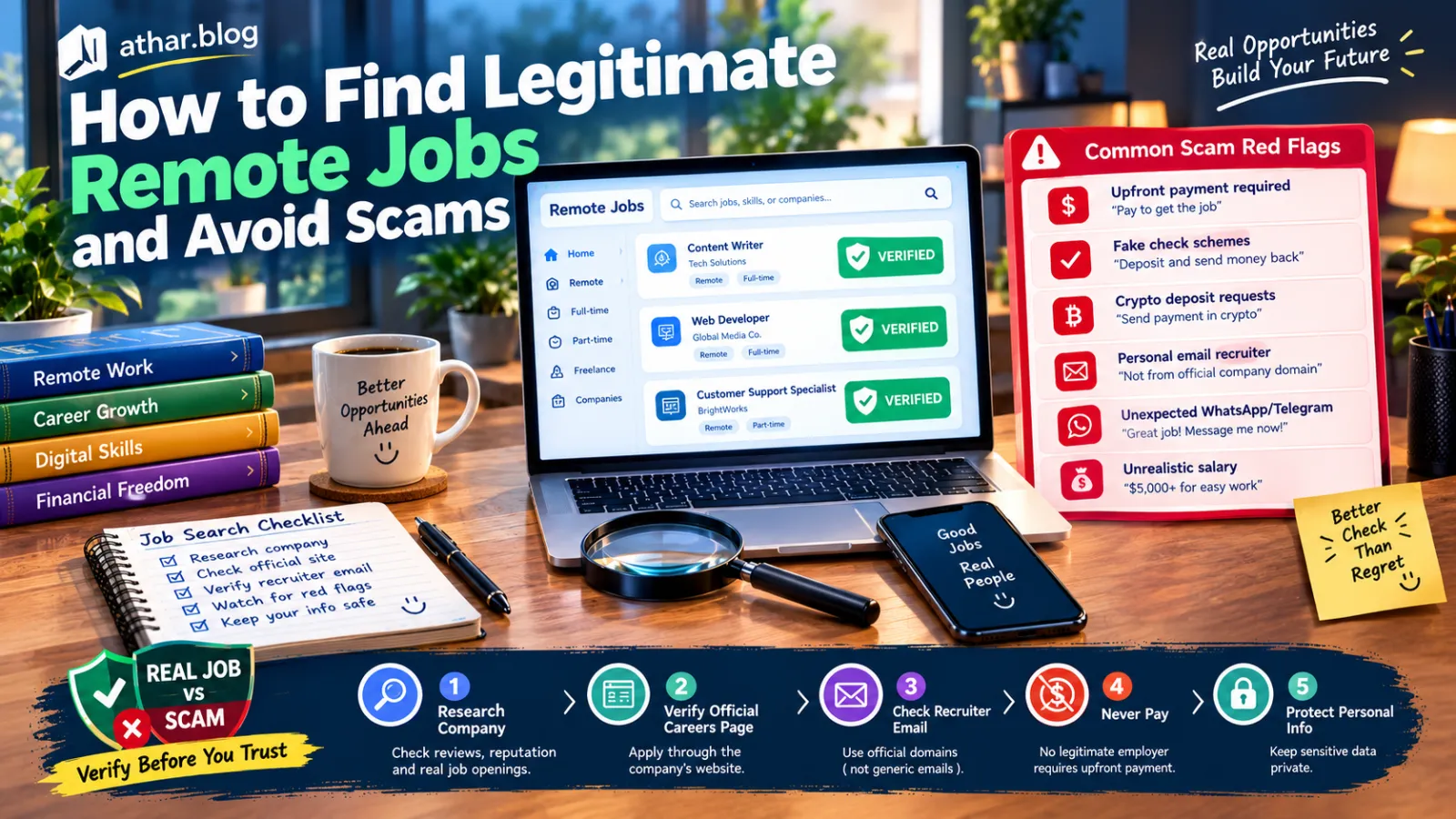
A successful job search, particularly for remote positions, hinges on a clear strategy rather than a vague collection of aspirations. Identifying legitimate remote opportunities and effectively sidestepping scams becomes significantly more manageable when you pinpoint precisely what needs to change in your approach, assess the resources at your disposal, and define how you will measure the success of your efforts. A crucial principle throughout this process is to always validate the employer and the job offer before divulging any personal or financial information. The objective here is not to emulate someone else's career path but to craft a discerning strategy that aligns with your individual circumstances and professional goals.
Define Your Search Parameters
Before embarking on any job search, especially in the remote landscape, articulate the specific outcome you desire in a concise, single sentence. This clarity helps differentiate a measurable objective from a broad ambition. For instance, "Secure a remote software development role with a salary of at least $X, allowing for flexible hours by end of Q3" is a measurable outcome, unlike "Find a good remote job." Consider what aspects of your current situation you aim to improve: is it saving commute time, gaining location independence, acquiring new skills, or increasing income?
Identify Your "Why"
Understanding your core motivation for seeking a remote role is paramount. This isn't just about escaping an office; it's about what you gain. Are you aiming to:
- Achieve greater work-life integration? Remote work can offer flexibility, but it requires discipline.
- Access a wider talent pool or specialized roles? Location independence often opens doors to companies globally.
- Reduce daily commute stress and costs? This is a tangible benefit for many.
- Develop autonomy and self-management skills? Remote environments often demand proactive communication and initiative.
By clarifying your "why," you can better evaluate potential opportunities and ensure they genuinely align with your long-term aspirations.
Baseline Your Current Situation
Before making any changes to your job search methodology, document your current process. Note the time investment, financial cost, and any emotional friction involved. This provides a fair and objective baseline against which to compare future approaches. For example, if your current method involves applying to 20 jobs a week with a 1% interview rate, and your new strategy yields a 5% interview rate for the same number of applications, you have a clear indicator of improvement. This exercise also helps you identify what aspects of your existing routine are working well, preventing you from discarding effective strategies without good reason.
Implement a Robust Vetting Process
A proactive and methodical approach to vetting potential employers and job offers is essential in the remote job market, where the anonymity of the internet can be exploited by fraudsters.
Key Verification Steps
- Official Channels First: Always begin your job search on a company's official career page. If you find a listing elsewhere (e.g., LinkedIn, Indeed), cross-reference it with the company's official site.
- Email Domain Scrutiny: Pay close attention to the email addresses used by recruiters. Legitimate companies will use email addresses tied to their corporate domain (e.g., `jane.doe@companyname.com`), not generic email providers like Gmail, Yahoo, or Outlook.
- Detailed Job Information: Insist on receiving a formal written job description and a clear outline of the interview process. Ambiguity or a reluctance to provide these details is a significant red flag.
- No Upfront Fees: Legitimate employers will never ask you to pay for equipment, training, background checks, or any other upfront fees. This is a common tactic used by scammers.
- Direct Contact for Queries: If a message requests gift cards, payment for equipment, or any unusual action, immediately cease communication with the sender. Instead, contact the company directly through their official website's contact information to verify the legitimacy of the offer.
Evaluating Multiple Opportunities
When several attractive options present themselves, develop a consistent set of criteria to compare them. This structured evaluation helps prevent expensive mistakes resulting from hasty decisions. Consider factors such as:
- Time Investment: How much effort will be required to pursue this opportunity?
- Long-Term Reliability: What is the company's reputation and financial stability?
- Cultural Fit: Does the company's values align with your professional ethos?
- Compensation & Benefits: Beyond salary, consider health insurance, retirement plans, and paid time off.
- Growth Potential: Are there opportunities for skill development and career advancement?
- Reversibility: How easy would it be to pivot if the role doesn't meet expectations?
A simple written comparison using these criteria can provide clarity and prevent impulsive decisions that might lead to significant regrets. Begin with the smallest, most manageable version of your vetting process. If it proves effective, gradually expand it; if not, you can adjust your course without significant lost effort.
Recognizing and Avoiding Common Scams
Fraudsters are constantly evolving their tactics, often mimicking legitimate companies to deceive job seekers. Awareness of common red flags is your best defense.
Warning Signs to Heed
- Urgent Text-Only Interviews: Be extremely cautious of interview requests conducted solely through text messages or instant messaging apps without any video or voice interaction. Legitimate companies typically conduct interviews via phone, video conferencing, or in person.
- Generic or Vague Job Descriptions: If a job description is extremely broad, poorly written, or sounds too good to be true, it likely is. Scammers often use generic descriptions that could apply to almost any role.
- Requests for Personal Financial Information Too Early: Never provide bank account details, Social Security numbers, or other highly sensitive information until a formal offer has been made and you have thoroughly verified the employer.
- Offers Without a Formal Interview: Receiving a job offer without a comprehensive interview process is a major red flag. Legitimate employers invest time in assessing candidates.
- "Check Cashing" Scams: A common scam involves sending you a check (often for equipment or advance payment) and asking you to deposit it, then wire a portion back to a third party. The check will eventually bounce, and you will be responsible for the funds.
- Pressure to Act Quickly: Scammers often try to rush you into making a decision or providing information, creating a sense of urgency to bypass critical thinking.
Be particularly wary of advice that omits discussion of costs, context, or inherent uncertainties. When encountering suspicious activity, document what went wrong. A missed target or a fraudulent encounter isn't a failure; it's valuable information that strengthens your future decision-making. If the opportunity involves sensitive domains like finances, health data, legal obligations, or proprietary information, always verify relevant regulations locally and, when necessary, seek guidance from qualified professionals.
Streamlining Your Search and Tracking Progress
An organized approach is fundamental to a successful remote job search. Building a systematic tracker will help you stay on top of opportunities and evaluate your progress.
Practical Steps for an Effective Job Search
- Create a Centralized Tracker: Use a spreadsheet or a dedicated application to log every job you apply for. Include columns for:
- Job Title
- Company Name
- Application Date
- Source of Listing (e.g., official careers page, LinkedIn)
- Recruiter Contact (name, email, LinkedIn profile)
- Status (e.g., Applied, Interview Scheduled, Rejected, Offer Received)
- Notes (e.g., unique requirements, follow-up dates)
- Verification Status (e.g., Verified, Suspicious, Scammer)
- Set Realistic Review Dates: Schedule regular intervals (e.g., weekly or bi-weekly) to review your progress. During these reviews:
- Compare your results against your initial baseline (e.g., application-to-interview ratio).
- Assess whether your current strategy is solving your original problem (e.g., finding the right type of roles, improving response rates).
- Decide whether to continue with your current approach, revise it based on new insights, or pivot to an entirely different strategy.
- Document Lessons Learned: Maintain a journal or a dedicated section in your tracker for insights. Record what worked well, what didn't, and any red flags you encountered. This personal evidence will inform your future choices, preventing reliance on generic advice or anecdotal success stories.
Progress in any complex endeavor, including a remote job search, often stems from consistent, modest actions meticulously repeated rather than from a single dramatic decision. By staying organized and learning from every interaction, you significantly enhance your chances of securing a legitimate and fulfilling remote role.
--- Related Articles:

العمل الحر من العالم العربي: دليل البداية خطوة بخطوة
دليل عملي للبدء في العمل الحر: اختيار المهارة، بناء معرض أعمال، التسعير، استلام المدفوعات وتجنب الاحتيال.

أفضل بدائل جوجل أدسنس للمواقع والمدونات العربية في 2026: شبكات إعلانية تقبل المواقع الجديدة
دليل أفضل شبكات بدائل جوجل أدسنس للمواقع والمدونات العربية في 2026. شبكات تقبل المواقع الجديدة بدون شروط تعجيزية وتدفع بانتظام عبر بايبال والعملات الرقمية.
Small Business Marketing Without a Big Budget
Proven low-cost strategies for local shops and freelancers to attract customers and build loyalty.