Index funds vs individual stocks: a beginner comparison
Understand diversification before chasing a compelling ticker. Compare fund costs, holdings, tax treatment and risk with the research time required for a single
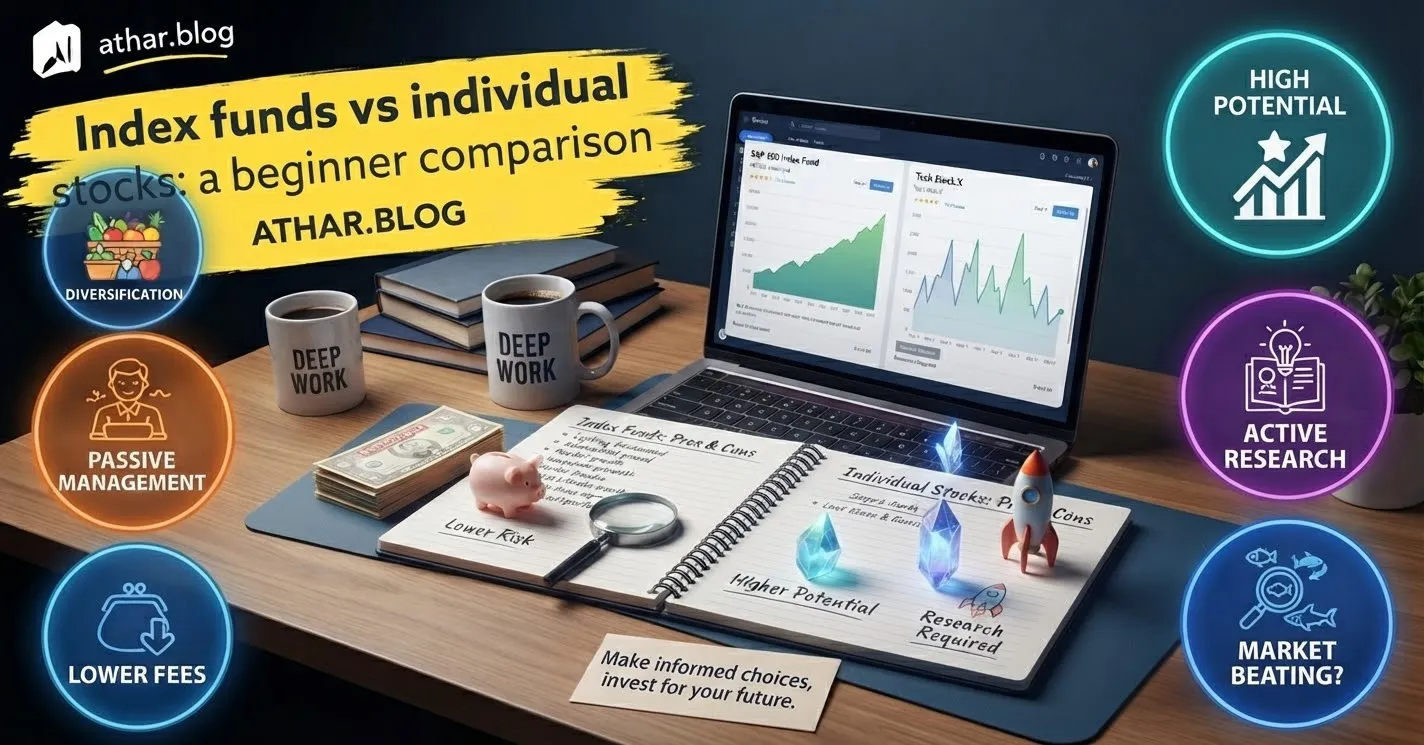
A thoughtful approach to investing begins not with a dazzling array of financial jargon, but with a clear understanding of your personal objectives. The decision between investing in index funds versus individual stocks, particularly for a beginner, becomes much clearer when you define what you aim to achieve, what resources you possess, and how you will measure your success. Prioritizing a comprehensive understanding of diversification should always precede chasing a seemingly compelling stock ticker. The goal here isn't to merely replicate someone else's investment strategy, but to empower you to make an informed choice that aligns with your unique financial situation and personal constraints.
Starting with Your Core Investment Question
Before diving into investment vehicles, articulate the specific financial outcome you desire in a single, unambiguous sentence. Differentiate between a quantifiable, measurable goal and a vague aspiration. For instance, "I want to accumulate a down payment for a house within five years" is distinct from "I want to get rich." Other specific goals might include saving for retirement, funding a child's education, or building an emergency fund.
Identify what aspects of your current financial management or investment thinking are already effective. This prevents you from discarding valuable practices without due cause. Before implementing any changes, meticulously document your current financial process, including any associated time commitments, costs incurred, or points of friction. This documentation establishes a fair and objective baseline against which you can later compare the effectiveness of your new strategy.
Defining Your Investment Objective
Consider these questions to help crystallize your primary investment goal:
- What is the specific financial milestone I want to reach? (e.g., $X for retirement, $Y for a down payment).
- By when do I want to achieve this? (e.g., 10 years, 30 years).
- What level of risk am I comfortable taking to pursue this goal? (e.g., aggressive, moderate, conservative).
- How much am I able to invest consistently? (e.g., $100 per month, $500 per month).
Answering these helps transform abstract desires into concrete, actionable targets.
Building a Practical Investment Approach
When evaluating investment options, it's crucial to adopt a structured, practical approach. For index funds, this involves comparing their expense ratios (annual fees), underlying holdings (what companies they invest in), tax efficiency, and inherent diversification benefits. For individual stocks, it demands significant research into a single company's financials, management team, competitive landscape, industry trends, and valuation metrics. The time commitment for individual stock research far exceeds that required for selecting a broad-market index fund.
Crucially, establish your investment time horizon before committing capital. Are you investing for the short term (under 5 years), medium term (5-15 years), or long term (15+ years)? This dictates the appropriate level of risk you can reasonably undertake. When confronted with several appealing options, compare them systematically using consistent criteria.
Here's a comparison framework:
- Cost: Expense ratios for funds; trading commissions, research tools for stocks.
- Effort to Set Up: Brokerage account, fund selection vs. extensive individual company analysis.
- Reliability: Long-term historical performance, track record of diversification vs. volatility of single company.
- Reversibility: Ease of selling, tax implications.
- People Affected: Implications for your dependents, beneficiaries.
A written comparison, even a simple one, often highlights trade-offs that might otherwise be overlooked, preventing expensive mistakes. Begin with the smallest, most manageable version of your investment plan. If it yields positive results, refine and expand it. If it doesn't meet expectations, you can pivot without having squandered substantial time or resources.
Comparing Index Funds and Individual Stocks
A foundational understanding of how these two investment vehicles differ is vital for beginners:
- Diversification: An index fund automatically holds a broad basket of securities, mirroring a specific market index like the S&P 500. This provides instant diversification across numerous companies and sectors. In contrast, purchasing individual stocks concentrates your investment in a single company, amplifying your exposure to its specific risks and performance.
- Risk Profile: While no investment is without risk, index funds typically carry less idiosyncratic risk due to their diversification. If one company performs poorly, its impact on the overall fund is usually minimal. With individual stocks, a single company's severe downturn can significantly impair your investment.
- Required Research: Index funds require minimal ongoing research once selected, as their objective is simply to track an index. Investing in individual stocks demands continuous, in-depth research to monitor company performance, industry changes, and market sentiment.
- Cost: Index funds often have very low expense ratios, especially passively managed ones. Individual stock investing involves trading commissions (though many brokers now offer commission-free trades) and potentially subscription costs for high-quality research.
- Return Potential: Index funds aim to match market returns, which have historically been positive over the long term. Individual stocks offer the potential for market-beating returns if you choose successful companies, but also carry the risk of underperforming the market or even significant losses.
Practical Steps for Getting Started
For a beginner, the following steps offer a structured path:
- Educate Yourself: Read reputable financial articles, books, and resources. Start with the basics of compound interest, risk assessment, and diversification.
- Define Your Goals: Use the questions from the "Defining Your Investment Objective" section to clarify your aims.
- Assess Your Risk Tolerance: Honestly evaluate how much volatility you can psychologically and financially endure. Online questionnaires can help, but self-reflection is key.
- Open a Brokerage Account: Choose a reputable online broker offering low fees and a user-friendly interface. Many offer both individual taxable accounts and retirement accounts (IRAs).
- Start Small and Consistent: Begin by investing an amount you are comfortable losing, even if it's just $50 or $100 per month. Consistency is more important than the initial amount.
- Prioritize Diversification (Index Funds First): For most beginners, starting with broad-market index funds or ETFs (Exchange Traded Funds) is the most prudent path. They offer immediate diversification and generally require less active management. Examples include an S&P 500 index fund or a total stock market index fund.
- Automate Your Investments: Set up automatic transfers from your bank account to your investment account to ensure regular contributions, leveraging dollar-cost averaging.
What to Watch For
It's critical to approach investing with a realistic perspective. Remember that past performance, even impressive recent returns, is never a guarantee of future results. Even well-diversified investments are subject to market fluctuations and can experience sharp declines. It is paramount to never invest funds intended for essential living expenses like rent, utilities, or your emergency savings.
Be particularly skeptical of investment advice that omits crucial details such as costs, context relevant to your personal situation, or the inherent uncertainties of financial markets. Maintain a meticulous record of what goes wrong, not just what succeeds. A missed investment target or a poorly performing stock should be viewed as valuable information for learning and adjustment, not a reason to abandon your entire strategy.
When dealing with topics that involve your money, health, legal obligations, or sensitive personal information, always verify local regulations and seek guidance from qualified, licensed professionals.
Your Next Steps and Review Process
The journey of investing benefits greatly from a structured plan and regular review. Your next crucial step is to formalize your intentions by drafting a personal investment policy statement. This document, however brief, should clearly articulate your investment goals, your assessed risk tolerance, the fees you are willing to incur, and a schedule for reviewing your portfolio's performance and strategy. For personalized guidance tailored to your unique circumstances, consider consulting a licensed financial advisor.
Crucially, assign a realistic date for your first comprehensive review. At this point, revisit the baseline you established at the outset. Compare your current financial status and portfolio performance against that initial benchmark. Ask yourself whether the investment decisions you've made have effectively addressed your original problem or moved you closer to your stated goals. Based on this evaluation, you can then make an informed decision to continue with your current strategy, revise it to incorporate new learnings, or discontinue it if it's not serving your objectives.
Sustainable progress in investing rarely stems from dramatic, one-off decisions. Instead, it typically arises from modest, disciplined actions consistently applied and carefully reviewed. Make it a habit to keep detailed notes on your investment decisions, the rationale behind them, and their outcomes. This personal evidence base, rather than generic success stories or market hype, will become your most valuable resource for making increasingly informed choices in the future.
Related Articles:

كيف تستلم أرباحك من التدوين والإنترنت في الدول العربية: أفضل البنوك الإلكترونية والحسابات 2026
دليل شامل لسحب واستلام أرباح التدوين والعمل عبر الإنترنت في مصر والدول العربية في 2026. مقارنة بايونير، وايز، بايبال، والحسابات البنكية بالدولار.
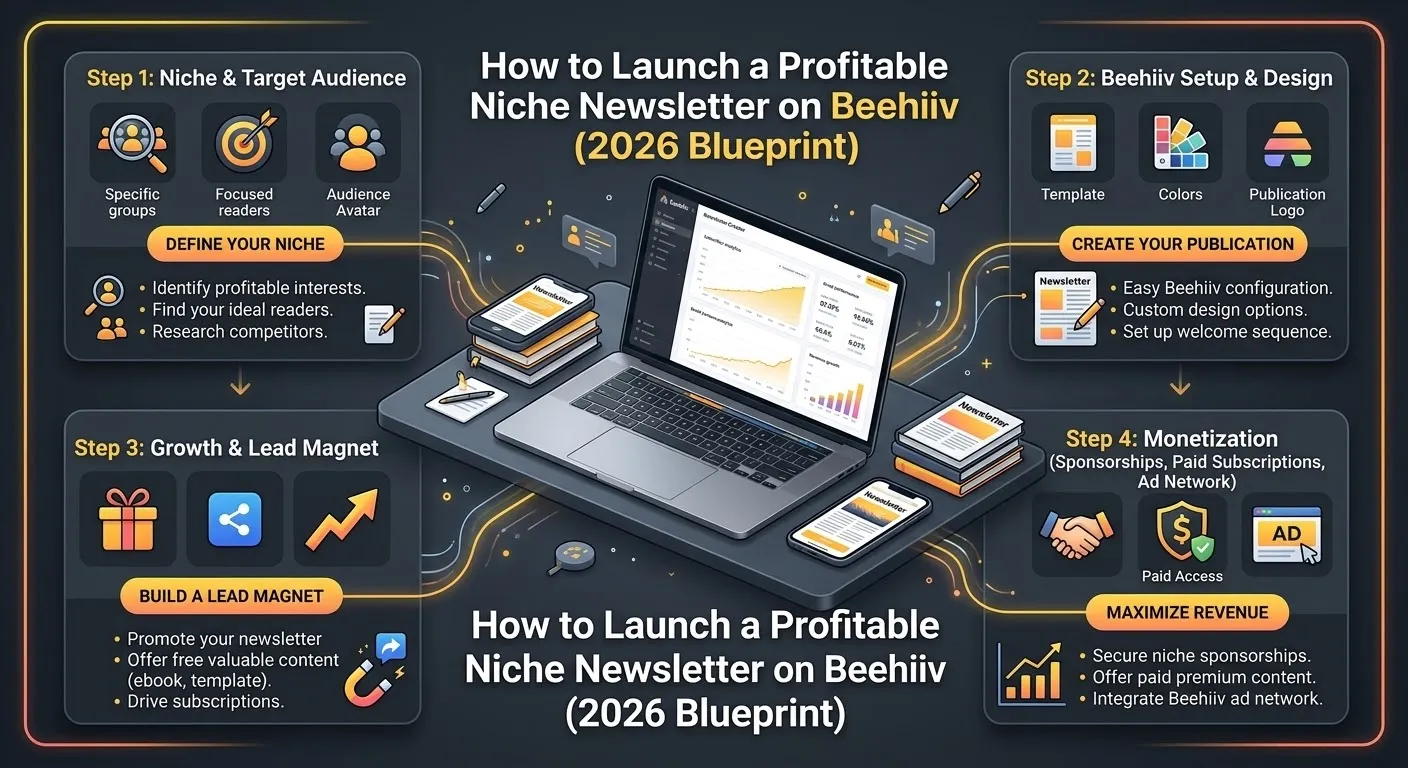
How to Launch a Profitable Niche Newsletter on Beehiiv (2026 Blueprint)
Step-by-step 2026 blueprint for launching a profitable niche newsletter on Beehiiv. Discover audience growth, monetization funnels, boosts, and ad network tacti

إنشاء وبيع الكتب الإلكترونية بالذكاء الاصطناعي: دليلك العملي لعام 2026
`تعلم كيفية إنشاء وبيع الكتب الإلكترونية بالذكاء الاصطناعي في 2026 من اختيار الفكرة وكتابة المحتوى حتى التصميم والتسويق لتحقيق دخل سلبي مستدام عبر الإنترنت.