Meal planning for beginners without rigid food rules
Plan for busy days and personal preferences instead of a perfect menu. List meals you already enjoy, choose flexible ingredients and prepare a few components
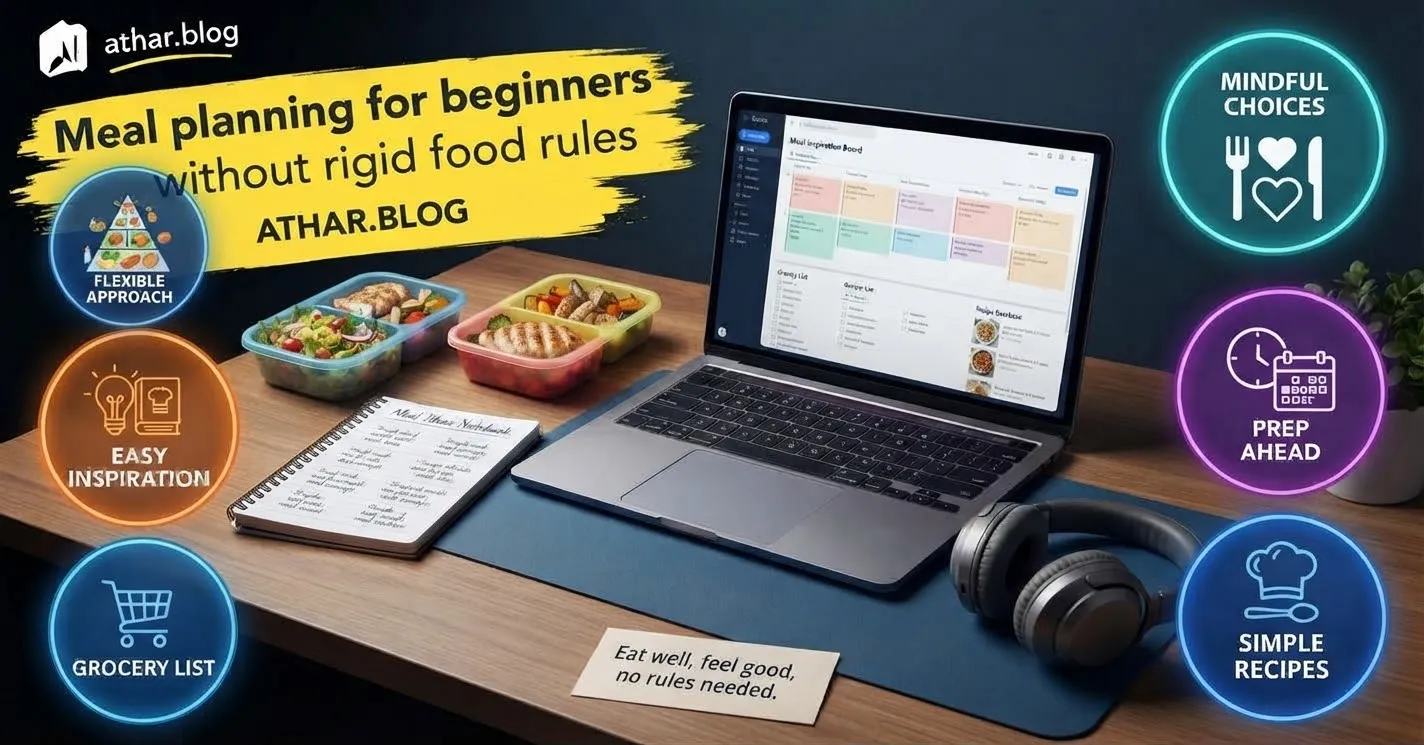
A productive endeavor begins not with a collection of impressive terms, but with a specific decision. Embarking on meal planning for beginners, free from rigid food rules, becomes more accessible when you precisely identify your objectives, assess your available resources, and define how you will measure success. The goal is to plan for the realities of busy days and personal preferences, rather than pursuing an unattainable, flawless menu. This approach isn't about replicating someone else's routine; it's about making deliberate choices that genuinely fit your individual constraints and lifestyle.
Clarifying Your Core Motivation
Before embarking on any change, articulate the desired outcome in a single, concise sentence. It's crucial to distinguish between a measurable result and a vague aspiration. For instance, saving fifteen minutes each evening, reducing food waste by half, reliably providing a home-cooked meal three times a week, or establishing a consistent habit of healthy eating are distinct objectives. Each requires a different approach and set of metrics.
Furthermore, identify what aspects of your current routine are already working effectively, ensuring you don't discard valuable practices without good reason. Prior to implementing any changes, document your present process. Note the time investment, financial cost, and any friction or stress points involved. This critical step provides a fair and objective baseline against which you can compare your future progress, offering a clear picture of improvement or areas still needing adjustment. Without this initial assessment, it's difficult to truly gauge the impact of your new approach.
Constructing a Practical Framework
Developing a sustainable meal plan begins with leveraging what you already know and enjoy. Start by listing meals that you and your household genuinely like to eat. Focus on choosing flexible ingredients that can be incorporated into multiple dishes throughout the week. A highly effective strategy is to prepare several fundamental components that can then be combined in various ways to create diverse meals without excessive effort.
When faced with multiple attractive options for planning or preparation, compare them systematically using consistent criteria. Consider factors such as:
- Cost: What is the financial outlay for ingredients and time?
- Effort to set up: How much initial work is required to get started?
- Reliability: How consistently can this method be executed?
- Reversibility: Can you easily adjust or backtrack if it doesn't work out?
- People affected: What impact will this have on family members or housemates?
A simple written comparison often serves as a powerful preventative measure against the most costly type of error: committing significant resources or time before fully understanding the trade-offs involved. Always begin with the smallest useful version of your plan. If this modest start proves beneficial, you can gradually expand and refine it. If it doesn't yield the desired results, you can pivot or change course without having invested months of effort into a system that wasn't right for you.
Practical Steps for Getting Started
Here's a straightforward way to begin implementing a practical meal planning approach:
- Inventory Your Favorites: List 5-7 main meals your family genuinely enjoys and are relatively easy to prepare.
- Assess Your Pantry: Check your refrigerator, freezer, and pantry for existing ingredients that can be used. This reduces waste and saves money.
- Choose Flexible Staples: Select 2-3 staple ingredients that can be used across multiple meals (e.g., rice, quinoa, canned beans, frozen vegetables).
- Batch Cook a Component: Dedicate a small amount of time to cook a larger batch of one key component – perhaps a grain (quinoa, rice), a protein (chicken breast, lentils), or a roasted vegetable mix.
- Plan Three Meals: Focus on planning just three dependable meals for the upcoming week, incorporating your favorite dishes and batch-cooked items.
- Create a Short Shopping List: Based on your chosen meals and existing inventory, write a focused shopping list for only what you need.
What this can look like in action
Consider this example: on Sunday, you might cook a large batch of brown rice and roast a tray of mixed seasonal vegetables (broccoli, bell peppers, carrots). Throughout the week, these components can be paired with different proteins and sauces. On Monday, serve rice and vegetables with grilled chicken and a teriyaki sauce. On Tuesday, use the remaining rice and vegetables as a base for a quick stir-fry with tofu. On Wednesday, combine them with black beans, avocado, and salsa for a quick burrito bowl. This approach directly addresses the constraint of wanting varied meals without daily extensive cooking. Notice that this strategy begins with a real constraint and aims for an observable outcome – reducing daily cooking effort and increasing variety – rather than promising a universal result for every individual. Adapt the scale and specific details to your unique situation. If another person is impacted by your decision, actively solicit their input on what would make the change genuinely useful for them, rather than making assumptions.
Navigating Potential Pitfalls
Be vigilant about common traps that can derail even the best intentions. Excessively restrictive meal plans often lead to increased stress, feelings of deprivation, and frequently result in food waste when ambitious plans become unsustainable. Remember that individual dietary needs vary significantly; if you have underlying medical conditions or complex dietary requirements, always seek guidance from a registered dietitian or other qualified healthcare professional. Their expertise is invaluable for ensuring your plan is healthy and appropriate.
Be especially critical of any advice that omits crucial elements like actual costs, relevant context, or the inherent uncertainty involved in real-world application. A vital habit to cultivate is to record not only what succeeded but also what went wrong. A missed target or a plan that didn't quite work is not a reason for wholesale abandonment; it's valuable information that can inform your next iteration. If the subject matter involves significant financial implications, health concerns, legal obligations, or sensitive personal information, always verify local regulations and, without hesitation, seek professional guidance from qualified experts.
Review and Refine Your Process
Your initial step is to plan three reliable and enjoyable meals for the upcoming week. Before shopping, diligently check your kitchen for existing ingredients to minimize waste and unnecessary purchases. From this carefully curated list, create a precise shopping list.
Crucially, establish a realistic review date for your plan. This could be after one week, two weeks, or even a month, depending on the scope of your changes. At this designated time, compare the actual outcome with your original baseline. Ask yourself:
- Did the changes effectively solve the problem I initially identified (e.g., saving time, reducing waste, eating more home-cooked meals)?
- What aspects worked well, and what challenges did I encounter?
- Based on this evidence, should I continue with this plan, revise specific elements, or stop it altogether and try a different approach?
Genuine progress is rarely the result of a single, dramatic decision. Instead, it typically emerges from modest, well-considered actions that are consistently repeated and incrementally improved upon. Maintain detailed notes throughout this process. These personal records provide invaluable evidence, ensuring that your subsequent choices are informed by your own lived experience and specific data, rather than being swayed by generic success stories that may not apply to your unique circumstances. This iterative cycle of planning, acting, observing, and refining is the cornerstone of sustainable meal planning.
Maximizing Your Planning Efficiency
Leveraging Technology Wisely
In today's digital age, numerous apps and online tools can streamline your meal planning. However, approach them as aids, not as replacements for your critical thinking. For instance, an app that helps organize recipes, generate shopping lists based on selected meals, or even track pantry inventory can save time. Choose tools that integrate seamlessly into your workflow rather than adding complexity. A simple note-taking app on your phone can often be just as effective as a specialized meal planning service. The key is to find what helps you most efficiently manage your ideas and logistics without feeling overwhelmed by features you don't need.
The Role of Leftovers
Embracing leftovers is a cornerstone of efficient meal planning. It's not merely about avoiding waste; it's about strategic cooking that reduces the burden on subsequent days. When planning, consider if a dinner can easily transform into a lunch the next day, or if a larger batch of a component can be intentionally cooked for a future meal. For example, roasting extra chicken or vegetables allows for quick salads, sandwiches, or grain bowls later in the week. This approach leverages your cooking effort, providing more meals from a single preparation session.
Incorporating Flexibility
While planning provides structure, it's equally important to build in flexibility. Life happens – unexpected invitations, sudden cravings, or a shift in schedule. A rigid plan that doesn't account for these eventualities is likely to fail.
- "Free Meal" Slot: Designate one or two meals a week as "flexible" or "eat out" options.
- Quick Meal Backups: Have a few very quick, no-cook, or minimal-cook meal ideas (e.g., frozen pizza, pasta with jarred sauce, eggs on toast) ready for days when plans go awry.
- Ingredient Swaps: Learn to swap similar ingredients (e.g., using spinach instead of kale, chicken thighs instead of breasts) based on what's available or on sale.
This adaptable mindset ensures that small deviations don't lead to the complete abandonment of your meal planning efforts.
Building Sustainable Habits
The ultimate goal of meal planning without rigid rules is to build sustainable habits that serve your health, budget, and lifestyle in the long term. This isn't about perfection, but about progress and consistency.
Here’s a process for embedding these habits:
- Weekly Review: Set a specific time each week (e.g., Sunday morning) to review the past week's meals, check inventory, and plan the upcoming week.
- Small Wins Celebration: Acknowledge and celebrate small successes, like sticking to your grocery list or successfully repurposing leftovers. This positive reinforcement encourages continued effort.
- Reflect and Adjust: Regularly ask yourself what's working, what's challenging, and how you can make it easier. Be kind to yourself through this learning process.
- Involve Others: If you live with others, involve them in the planning and preparation. Shared responsibility often leads to greater adherence and enjoyment.
By focusing on clarity, practicality, continuous learning, and adaptability, you can transform meal planning from a daunting chore into an empowering tool that supports a healthier, more organized, and less stressful daily life. The journey is iterative, and each step forward, however small, contributes to a more informed and effective approach to nourishing yourself and your household.
related-articles:

How Sleep Shapes Memory, Mood and Focus
What happens in your brain every night, and simple evidence-based habits to sleep better starting this week.
Building a Home Workout Routine With No Equipment
A balanced, progressive bodyweight plan you can follow in your living room, whatever your current fitness level.
Managing screen time with intentional digital habits
Replace automatic checking with deliberate choices. Identify which apps help you and which prompt mindless switching. Turn off nonessential alerts and create