Walking for wellness: how to start without burnout
Build movement into a schedule you already have. Begin with a manageable route, comfortable footwear and a pace that allows conversation. Increase duration
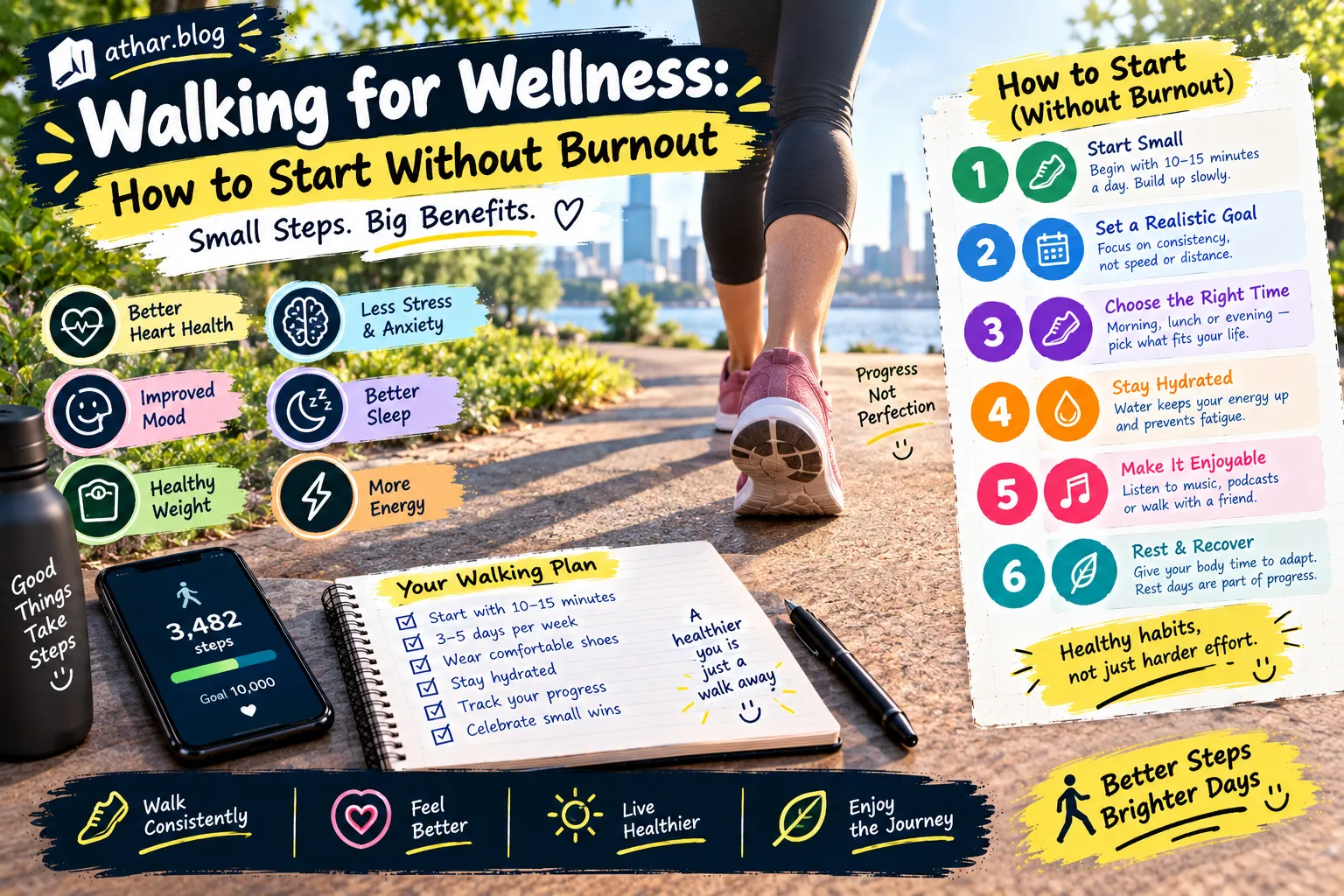
A truly effective guide starts not with grand pronouncements, but with a precise decision rooted in personal needs. Embarking on a journey of walking for wellness without succumbing to burnout becomes significantly more manageable when you clearly identify what aspects of your current lifestyle require modification, what existing resources you possess, and how you will objectively measure the success of your efforts. The core principle here is to seamlessly integrate movement into an existing schedule. The objective is not to rigidly imitate someone else's successful routine, but rather to make a deliberate and thoughtful choice that respects your unique constraints and circumstances.
Defining Your Desired Outcome
The crucial first step involves articulating the specific result you wish to achieve in a single, clear sentence. This exercise helps to differentiate a concrete, measurable outcome from a vague, abstract aspiration. For instance, "consistently walking 30 minutes daily after work" is a measurable outcome, distinct from "feeling better," which is an aspiration. Other examples of specific objectives might include: "reducing daily stress levels by incorporating a midday walk," "improving sleep quality through evening strolls," or "maintaining joint flexibility with regular movement."
It's equally important to identify what elements of your current routine are already functioning well, so you don't inadvertently discard beneficial practices without a valid reason. Before implementing any changes, meticulously document your current process. Note the time commitment, any associated costs, or points of friction involved. This detailed baseline provides a fair and objective reference point against which you can later compare your progress and evaluate the efficacy of your new walking regimen. Without this initial assessment, it becomes challenging to quantify improvement or pinpoint areas for further refinement.
Crafting a Sustainable Approach
The foundation of a sustainable walking plan lies in practicality and gradual progression. Begin by selecting a walking route that is easily accessible and safe. Opt for comfortable, supportive footwear – this is a non-negotiable for injury prevention and overall enjoyment. Initiate your walks at a pace that allows you to comfortably hold a conversation without gasping for breath. This "talk test" is an excellent indicator of moderate intensity.
Gradual Progression for Lasting Habits
Once you've established this baseline, gradually increase the duration and intensity of your walks according to your individual fitness level and comfort. This might mean adding just five minutes to your walk each week, or extending your route by a block. The key is small, incremental changes rather than drastic overhauls.
When confronted with multiple attractive options for integrating walking into your day, evaluate them using consistent criteria. Consider factors such as:
- Cost: Does it require special equipment, gym memberships, or travel expenses?
- Effort to Set Up: How much preparation is involved before each walk?
- Reliability: Can this option be consistently executed regardless of weather or other commitments?
- Reversibility: Can you easily revert to your old routine if this new one doesn't work out?
- People Affected: Does this change impact family members, colleagues, or others?
A simple written comparison, perhaps in a bulleted list format, can often preempt costly mistakes by highlighting trade-offs before you commit fully. Start with the absolute smallest, most useful version of your plan. If this minimal version proves beneficial, you can then progressively enhance it. If it doesn't yield the desired results, you can pivot and adjust without having invested an excessive amount of time or effort.
Practical Steps to Get Started
Here's a straightforward approach to integrate walking into your week:
- Identify 3 convenient slots: Look at your calendar and pick three times this week, perhaps during a lunch break, after dinner, or first thing in the morning, where you can commit to a 10-15 minute walk.
- Prepare your essentials: Lay out comfortable shoes and appropriate clothing the night before.
- Choose a simple route: Plan a short, safe loop around your neighborhood or office block.
- Set a reminder: Use your phone to alert you a few minutes before your designated walk time.
- Focus on enjoyment, not speed: The goal is consistent movement and stress reduction, not setting new personal records.
Integrating Movement into Daily Life
The idea isn't necessarily to carve out dedicated "exercise time" but to weave physical activity into the fabric of your day.
Uncovering Hidden Opportunities for Movement
Consider opportunities that already exist within your daily routine. Perhaps taking the stairs instead of the elevator, parking further away from your destination, or walking to a colleague's desk instead of sending an email. These small shifts accumulate over time, contributing significantly to overall activity levels. A ten-minute walk after lunch, for instance, can be remarkably easier to consistently repeat than an ambitious hour-long plan that demands travel, specific equipment, and a significant time commitment.
This example highlights the importance of starting with real-world constraints and focusing on observable, personal outcomes, rather than relying on a generalized promise that every individual will achieve identical results. It is crucial to adapt the scale and specific details to your unique situation. If another individual's cooperation or agreement is vital for the success of your proposed change, engage them in the discussion. Ask what would genuinely make the adjustment useful for them, rather than presuming you already understand their perspective or needs. Collaborative planning often leads to more robust and sustainable outcomes.
Recognizing Warning Signs and Learning from Experience
While walking is generally a low-impact activity, it's essential to listen to your body. Any pain, dizziness, or unusual shortness of breath during or after a walk warrants immediate medical attention. These symptoms should not be dismissed or pushed through.
Remember that progress in wellness is a deeply personal journey, not a competitive sport against a fitness tracker's metrics or someone else's achievements. Be particularly discerning about advice that omits critical details such as the associated costs, the specific context required for its effectiveness, or any inherent uncertainties. Such omissions can lead to unrealistic expectations and subsequent disillusionment.
It is just as valuable to record what didn't go according to plan as it is to document your successes. A missed target or a deviation from your schedule is not a catastrophic failure, but rather valuable information. It's an opportunity to learn and adjust your strategy, not a reason to abandon your entire wellness plan. For topics involving money, health, legal obligations, or sensitive personal information, it is always prudent to verify relevant rules and regulations locally and to seek qualified professional guidance when necessary. This ensures you are making informed decisions based on expert advice.
Your Path Forward: Review and Refine
Begin by selecting three convenient windows for walking this week. Instead of focusing solely on distance or speed, make a conscious note of how you feel – both physically and mentally – after each walk. Did it alleviate stress? Did you feel more energized? Did your mood improve? This qualitative data is often more insightful for long-term adherence than quantitative metrics alone.
Set a realistic date for reviewing your progress. At that designated point, compare the results of your walking efforts with the baseline you established earlier. Ask yourself a series of critical questions: Did this change effectively address the original problem or objective you set out to solve? Based on the evidence, should you continue with the current plan, revise certain aspects, or perhaps discontinue it altogether and try a different approach? Sustained progress in wellness typically stems from modest actions that are carefully and consistently repeated, rather than from singular, dramatic, and often unsustainable decisions. Maintain detailed notes and observations throughout this process. This practice ensures that your subsequent choices are informed by your own personal evidence and experiences, rather than relying solely on generic success stories that may not apply to your unique circumstances.
RELATED-ARTICLE: The Art of Strolling: How Walking Can Revolutionize Your Well-being RELATED-ARTICLE: Building Movement into Your Day: Simple Strategies for a Healthier You

How Sleep Shapes Memory, Mood and Focus
What happens in your brain every night, and simple evidence-based habits to sleep better starting this week.
Building a Home Workout Routine With No Equipment
A balanced, progressive bodyweight plan you can follow in your living room, whatever your current fitness level.
الصحة الرقمية: كيف تقلل إجهاد الشاشات وتحمي عينيك وتركيزك
نصائح عملية لتقليل إجهاد العين وآلام الرقبة وتشتت الانتباه الناتج عن الاستخدام الطويل للشاشات في العمل والدراسة.