How to evaluate an AI writing assistant responsibly
Use a tool for structure and proofreading without surrendering authorship. Compare suggestions against your own outline and voice. Check citations, copyright
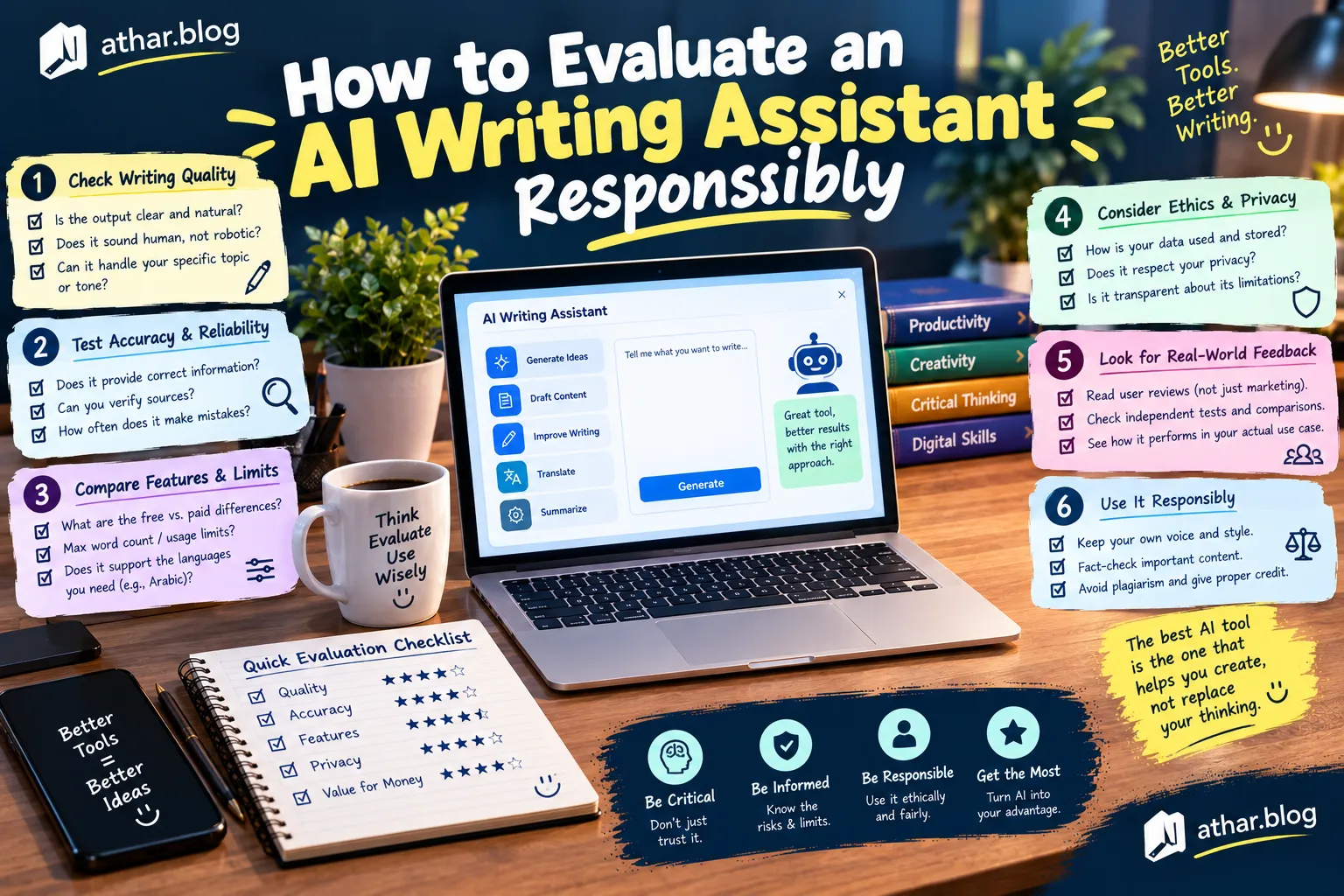
Evaluating an AI writing assistant responsibly begins not with exploring a multitude of impressive features, but with a clear, specific objective. The process becomes significantly more manageable when you pinpoint precisely what needs improvement, assess the resources at your disposal, and define how success will be measured. The goal is to leverage these tools for structure and proofreading without compromising your unique authorial voice or intellectual ownership. This isn't about blindly adopting someone else's workflow; it's about making a deliberate choice that aligns with your specific operational constraints and creative requirements.
Define Your Core Challenge and Desired Outcome
Before embarking on any tool evaluation, articulate the precise result you aim to achieve in a single, unambiguous sentence. Distinguish between a tangible, measurable outcome and a vague, aspirational wish. For instance, "reducing article proofreading time by 20%" is a measurable outcome, whereas "making writing easier" is an aspiration. Concrete goals might include saving a specific amount of time on initial drafts, eliminating a particular type of recurring error, consistently answering customer queries with standardized information, or establishing a more regular content creation habit. Each of these represents a distinct "job to be done" for an AI assistant.
Equally important is identifying what aspects of your current process are already functioning effectively. This prevents you from discarding valuable methods without due cause. Prior to implementing any changes, meticulously document your existing workflow, noting the typical time investment, associated costs (both direct and indirect), and any points of friction or frustration. This documentation provides an objective baseline against which to compare the performance of any new AI tool, ensuring a fair and data-driven evaluation.
Develop a Structured Evaluation Framework
A systematic approach is crucial when assessing AI writing assistants. Do not allow the tool to dictate your content; instead, compare its suggestions against your pre-existing outline, established facts, and your unique authorial voice. Always scrutinize generated content for accuracy, verifying any claims, citations, or data points. Be acutely aware of copyright restrictions and understand the terms of service regarding the ownership and usage of any content you upload or generate.
When faced with multiple appealing options, employ a consistent set of criteria for comparison. Key factors should include:
- Cost: Beyond subscription fees, consider potential training costs or integration expenses.
- Effort to Set Up: How long will it take to onboard the tool, train your team, or customize settings?
- Reliability: How consistently does it produce usable output? What is its uptime?
- Reversibility: How easy would it be to revert to your old process if the tool doesn't meet expectations?
- Impact on Stakeholders: Who else will be affected by this change (e.g., editors, clients, IT department), and what are their needs?
A simple, written comparison matrix can often prevent costly missteps by forcing a thorough understanding of trade-offs before commitment. Begin with the minimum viable implementation – the smallest version that can still deliver useful results. If it proves beneficial, expand its scope; if not, you can pivot without significant loss of time or resources.
What this can look like
Consider a marketing content creator struggling with grammatical consistency across numerous blog posts. Their specific problem is "reducing the time spent on manual grammar and style checks by 30%." A practical approach would involve:
- Baseline: Documenting current proofreading time per article.
- Tool Selection: Researching AI grammar checkers (e.g., Grammarly Business, ProWritingAid).
- Pilot Phase: Applying a chosen tool to a specific batch of drafts, perhaps 5-10 articles, and comparing the time spent on editing against the baseline. The writer uses the grammar suggestions to highlight potential issues, then personally rewrites unclear passages, ensuring the final text reflects their own reporting and direct experience.
- Review: After the pilot, they compare the actual time saved against the target 30%.
Notice that this example originates from a concrete constraint and aims for an observable outcome, not a blanket promise of universal success. Tailor the scale and specific details to your unique situation. If the decision impacts colleagues or clients, engage them early. Ask them what specific attributes or functionalities would make the change genuinely beneficial, rather than presuming you already know their needs.
Evaluating Tool-Specific Output
When an AI assistant generates content or suggestions, a critical eye is paramount. Here's a practical checklist:
- Accuracy: Does the information provided align with known facts and your source material?
- Tone and Voice: Does the generated text match your brand's or personal writing style?
- Originality: Is the content truly original, or does it sound generic or plagiarized? Tools like Copyscape can be useful here.
- Completeness: Does the output address all aspects of your prompt, or are there gaps?
- Cohesion: Does the text flow logically and naturally, or does it feel disjointed?
The Importance of Human Oversight
Automated suggestions should always be treated as recommendations, not mandates. Practical steps for maintaining quality control:
- Review Every Suggestion: Do not blindly accept changes; understand why a suggestion is made.
- Fact-Check Reliably: Especially for factual content, cross-reference with authoritative sources. Websites like Snopes or reputable academic databases are invaluable.
- Inject Personal Insight: AI can synthesize, but it cannot originate true insight or unique perspectives based on lived experience. Ensure your personal stamp remains.
- Prioritize Clarity Over Polish: Sometimes, AI can over-polish, stripping text of its natural flow or unique nuances.
Critical Considerations and Potential Pitfalls
Submitting AI-generated content as entirely original work, without significant human input or disclosure, not only erodes trust but can also violate academic integrity policies, publisher guidelines, or ethical standards. Artificially polished language is no substitute for genuine insight, original research, or a distinctive perspective.
Be particularly wary of advice or sales pitches that gloss over potential costs, lack contextual understanding, or downplay inherent uncertainties. No tool is a silver bullet. Meticulously record what goes wrong during your evaluation, just as carefully as what works well. A missed target or an unexpected issue provides valuable information; it's a data point for refinement, not an immediate reason to abandon the entire plan. If your topic involves sensitive areas such as financial advice, health information, legal obligations, or confidential data, always verify local regulations and seek guidance from qualified professionals. For instance, legal professionals might consult resources like LexisNexis or official government publications to ensure compliance.
Your Strategic Next Steps
Always begin by drafting content from your own notes, research, and expertise. Employ AI tools only where explicitly permitted by your guidelines or workflow, and ensure transparent disclosure of AI assistance whenever required by a publisher, client, or academic institution.
Set a realistic review date for your AI assistant evaluation. At this juncture, compare the actual outcomes against your established baseline. Ask yourself candidly whether the change effectively solved the original problem you identified. Based on this evidence, make an informed decision:
- Continue: The tool is meeting or exceeding expectations.
- Revise: The tool shows promise but requires adjustments to its application or your workflow.
- Stop: The tool did not deliver the intended benefits or introduced unacceptable new challenges.
Significant progress often stems from consistent, modest actions undertaken with careful consideration, rather than from grand, impulsive decisions. Maintain detailed notes throughout this process. This personal evidence will empower you to make future choices based on your own observed results, rather than relying solely on generic success stories or marketing claims.
Related Articles

أدوات الذكاء الاصطناعي لصنّاع المحتوى العرب: دليل عملي ومسؤول
كيف يستفيد صانع المحتوى العربي من أدوات الذكاء الاصطناعي في البحث والتنظيم والتدقيق دون أن يفقد أصالته أو ثقة جمهوره.
Passkeys Explained: How to Replace Your Passwords Safely
What passkeys are, why they resist phishing, and a step-by-step plan to switch your email, bank and social accounts without getting locked out.

أفضل بدائل ChatGPT المجانية في 2026: مقارنة شاملة بين Claude وGemini وDeepSeek
مقارنة شاملة لأفضل بدائل ChatGPT المجانية في 2026: اكتشف الفروق بين Claude وGemini وDeepSeek لاختيار الأداة الأقوى في الكتابة، التحليل، والبرمجة باحترافية.