How to use AI for research without trusting every answer
Treat an AI answer as a search starting point, not evidence. Ask for competing explanations and specific claims you can check in original reports, documentation
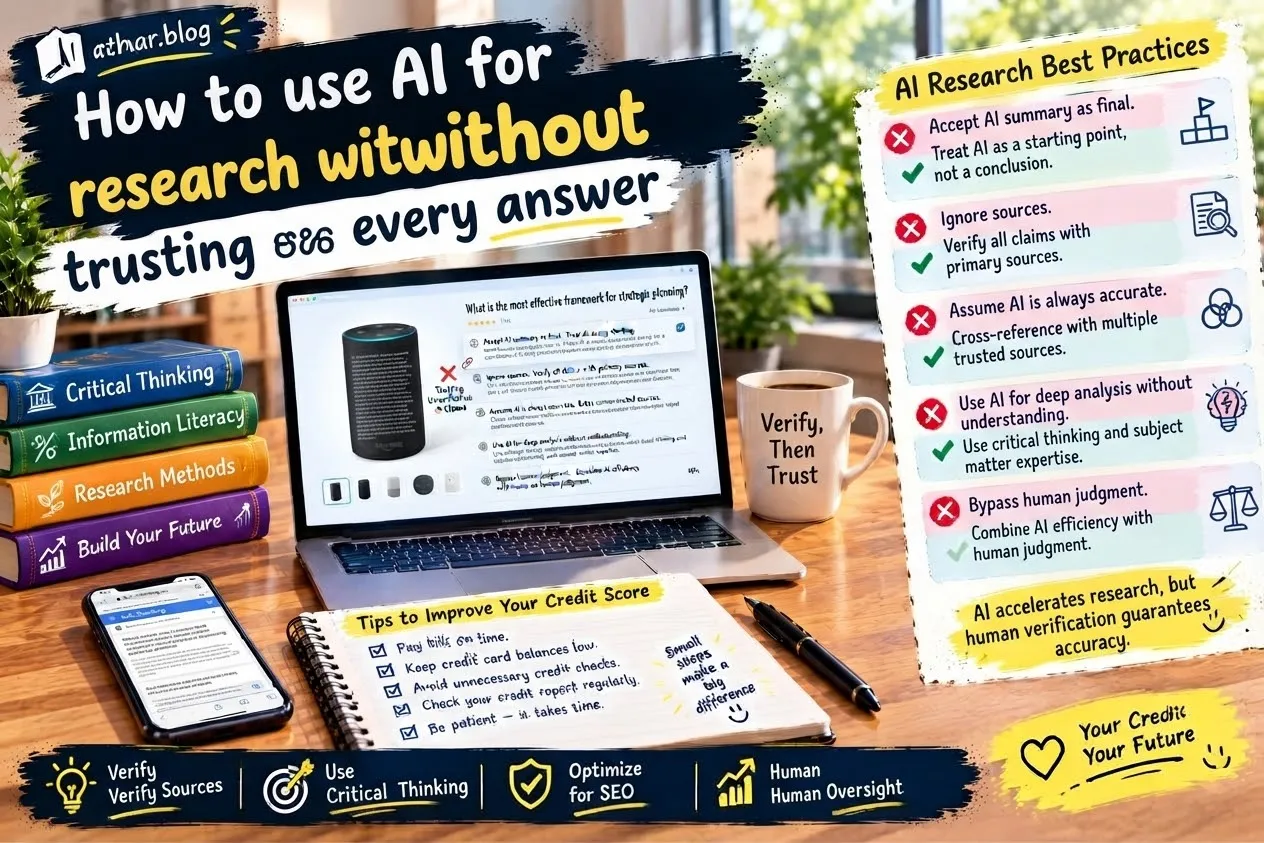
Navigating the landscape of artificial intelligence for research requires a discerning approach. Rather than treating AI outputs as infallible truths, it's more effective to view them as a launchpad for deeper investigation. The goal is not to adopt a generic strategy but to forge a process that aligns with your specific needs, available resources, and methods for evaluating success. The fundamental principle is clear: treat an AI-generated answer as a starting point for inquiry, not as definitive evidence.
Defining Your Research Imperative
Effective research begins with a precisely articulated objective. Before engaging with any AI tool, crystallize the desired outcome into a single, unambiguous sentence. This helps differentiate between a concrete, measurable goal – such as reducing report generation time by 20%, eliminating a recurring data entry error, providing a specific answer to a common customer query, or establishing a consistent daily learning habit – and a broad, undefined aspiration.
Begin by cataloging your current operational methods. Identify processes that are already efficient and functional, ensuring you don't discard valuable existing practices without justification. Document your present workflow, noting the time expenditure, financial cost, and any points of friction or inefficiency. This meticulous baseline measurement is crucial for accurately assessing the impact of any changes you implement later. It provides a fair standard against which to compare future results.
Constructing a Robust Verification Framework
When leveraging AI for research, cultivate a skeptical yet open mindset. Instead of simply accepting the first answer, actively prompt the AI for diverse perspectives, counter-arguments, and specific claims that can be rigorously checked. Prioritize information that references original research papers, official documentation, regulatory guidelines, or verified datasets.
Maintain a meticulous source log, detailing:
- The specific claim made by the AI.
- The original source it cited (if any).
- The publication or modification date of that source.
- The date you accessed or verified the source.
- A brief note on the credibility of the source.
When faced with multiple attractive solutions or explanations, implement a systematic comparison using a consistent set of criteria. Consider factors such as initial cost, the effort required for implementation, long-term reliability, the ease of reversing the change if it proves ineffective, and the potential impact on individuals or teams. A structured, written comparison often serves as an invaluable safeguard against premature commitments, highlighting trade-offs before resources are heavily invested.
Phased Implementation for Minimal Risk
A pragmatic strategy involves starting with the smallest viable version of a proposed change. This iterative approach allows for testing and adaptation.
- Pilot Project: Implement the AI-informed change on a small scale or in a controlled environment.
- Monitor Performance: Closely track its performance against your established baseline.
- Evaluate: If the pilot demonstrates tangible benefits, expand its application.
- Iterate or Pivot: If it falls short, you can adjust the strategy or discontinue it without having wasted significant time or resources. This "fail fast" methodology preserves momentum and minimizes potential losses.
Practical Scenarios for AI-Assisted Verification
Consider these common situations where AI can assist but requires careful verification:
- Software Feature Updates: If an AI model indicates a change in a software feature, your immediate next step should be to consult the official product documentation. Following that, directly test the feature within the actual application interface before altering any team procedures or user guides.
- Market Trend Analysis: An AI might suggest a burgeoning market trend. To verify, cross-reference this with reputable industry reports, financial news outlets, and raw economic data from official statistical agencies.
- Scientific Claims: When an AI summarizes a scientific finding, locate the original peer-reviewed publication. Scrutinize the methodology, sample size, and statistical significance before accepting the conclusion.
Remember, these examples emphasize beginning with a real-world constraint and aiming for an observable, verifiable outcome. The specific scale and details of your verification process will need to be tailored to your unique context. If the decision impacts colleagues or stakeholders, involve them early to understand what would genuinely make the change useful for them, rather than making assumptions.
Identifying and Mitigating Common Pitfalls
AI models, while powerful, are not immune to errors. Fabricated citations, outdated figures, and oversimplified explanations are frequent points of failure. It is an immutable rule: never cite a source you have not personally accessed and verified. Be particularly cautious of AI-generated advice that omits crucial details regarding costs, necessary context, potential risks, or inherent uncertainties.
Maintain diligent records of both successes and failures. A missed target or an unsuccessful implementation is not a setback to be ignored; it is valuable information that refines your understanding and improves future decision-making. If the research pertains to sensitive areas such as financial investments, healthcare decisions, legal compliance, or personally identifiable information, the stakes are significantly higher. In these domains, always verify relevant rules and regulations with local authorities and seek guidance from qualified professionals whenever appropriate.
Your Strategic Next Steps
To systematize your verification process, construct a simple table before you disseminate any findings:
| Claim from AI/Research | Primary Source (URL/Title) | Publication/Update Date | Confidence Level (Low/Medium/High) | Notes on Verification | | :--------------------- | :--------------------------- | :---------------------- | :---------------------------------- | :------------------- | | e.g., Feature X deprecated | docs.example.com/feature-x | 2023-10-26 | High | Tested in dev environment, confirmed. | | e.g., Market Y growing | Industry Report Z | 2022-Q4 | Medium | Report is 1 year old, seeking newer data. | | e.g., Best practice A | Blog Post by Expert B | 2021-03-15 | Low | Needs official guidance confirmation. |
Assign a realistic date for reviewing the impact of your implemented change. At this review point, systematically compare the actual results against your initial baseline. Ask yourself:
- Did the change effectively solve the original problem identified?
- What measurable improvements or regressions occurred?
- Based on this evidence, should I continue with this approach, revise it, or discontinue it entirely?
Meaningful progress often stems from consistent, modest actions meticulously executed and evaluated, rather than from grand, isolated decisions. By diligently recording your observations and outcomes, your future choices will be informed by your own robust evidence, rather than anecdotal success stories or unverified claims. This creates a continuous feedback loop that strengthens your research methodology over time.
Resources for Further Learning

أدوات الذكاء الاصطناعي لصنّاع المحتوى العرب: دليل عملي ومسؤول
كيف يستفيد صانع المحتوى العربي من أدوات الذكاء الاصطناعي في البحث والتنظيم والتدقيق دون أن يفقد أصالته أو ثقة جمهوره.
Passkeys Explained: How to Replace Your Passwords Safely
What passkeys are, why they resist phishing, and a step-by-step plan to switch your email, bank and social accounts without getting locked out.

أفضل بدائل ChatGPT المجانية في 2026: مقارنة شاملة بين Claude وGemini وDeepSeek
مقارنة شاملة لأفضل بدائل ChatGPT المجانية في 2026: اكتشف الفروق بين Claude وGemini وDeepSeek لاختيار الأداة الأقوى في الكتابة، التحليل، والبرمجة باحترافية.