Understanding credit scores without costly myths
Focus on payment behavior and account health rather than hacks. Check the scoring system used in your country, inspect your report for errors and track on-time
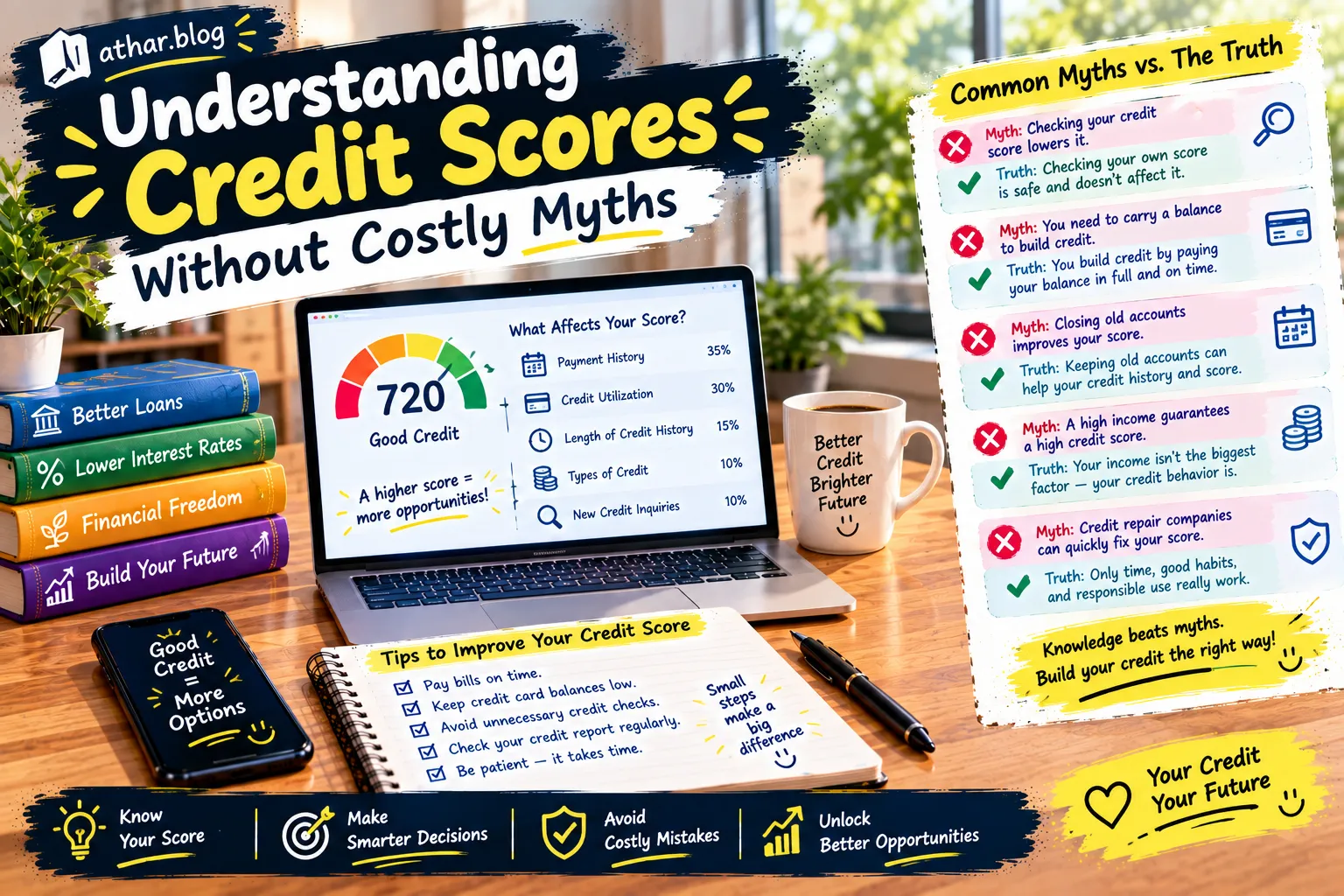
A genuinely useful guide to credit scores begins not with a collection of impressive technical terms, but with a specific, actionable decision. Understanding your credit standing and improving it without falling for costly myths becomes much more manageable when you precisely identify what needs to change, what resources are at your disposal, and how you will objectively measure success. Instead of seeking quick fixes or so-called "hacks," concentrate your efforts on consistent payment behavior and maintaining healthy account balances. The objective here is not to blindly replicate someone else’s strategy, but to make thoughtful, informed choices that align with your unique financial situation and constraints.
Start with the Question That Truly Matters
Before embarking on any credit improvement journey, articulate the desired outcome in a single, clear sentence. This process helps differentiate a measurable result from a vague aspiration. For example, "obtain approval for a mortgage at a competitive interest rate within 12 months" is a measurable outcome, distinct from "have good credit." Similarly, "reduce my credit card utilization to below 30% by year-end" is concrete. Identify what aspects of your current financial management are already functioning well, ensuring you don't inadvertently dismantle successful practices. Before implementing any changes, meticulously document your current processes, noting the time, financial cost, or friction involved. This documentation establishes a fair baseline against which you can later compare your progress and assess the efficacy of your new strategies.
Defining Your Specific Goal
Consider these examples of well-defined goals related to credit:
- Secure a personal loan for home renovations with an interest rate below 8% within six months.
- Increase my credit score by 50 points in the next nine months to qualify for better auto loan terms.
- Rectify all erroneous entries on my credit report within 90 days to prevent future loan application issues.
- Establish a consistent habit of paying all credit card statements in full every month for a continuous year.
Identifying Existing Strengths
Even if your credit score isn't ideal, you likely have some positive financial habits. Perhaps you consistently pay your rent on time, maintain a stable employment history, or have successfully paid off a previous loan. Acknowledging these strengths can provide a foundation of confidence and highlight areas where your financial discipline is already strong. Don't overlook these positive indicators; they are part of your overall financial picture.
Build a Practical, Incremental Approach
To effectively manage your credit, it is crucial to understand the specific scoring system prevalent in your country or region, as models can vary significantly (e.g., FICO and VantageScore in the US, Experian Credit Score in the UK). Regularly inspect your full credit report for inaccuracies or fraudulent activity. Your primary focus should be on consistent, on-time payments and prudently managing your outstanding balances. When evaluating multiple potential options for credit improvement, compare them using a consistent set of criteria: their financial cost, the effort required for setup and maintenance, their reliability, the reversibility of the action, and the potential impact on other individuals or financial obligations. A simple written comparison or pros and cons list can often prevent the most expensive types of errors – those made by committing to a course of action without fully comprehending the inherent trade-offs. Always begin with the smallest, most manageable version of a new strategy. If it proves beneficial, expand and refine it; if not, you can adjust your course without having squandered months of effort or significant resources.
What This Practical Approach Can Look Like
Here’s a practical step-by-step example:
- Obtain Your Credit Reports: Request free copies of your credit reports from all major bureaus (e.g., Experian, Equifax, TransUnion in the US). In many countries, you are entitled to at least one free report annually.
- Review for Errors: Methodically read through each report. Look for:
- Accounts you don't recognize.
- Incorrect payment statuses (e.g., marked late when paid on time).
- Incorrect personal information (name, address, date of birth).
- Duplicate accounts or accounts that should have been closed but appear open.
- Dispute Inaccuracies: If you find an error, initiate a dispute directly with the reporting credit bureau and, if necessary, the creditor involved. Retain all correspondence, including dates, names, and copies of documents sent and received. Avoid paying third parties for this service, as you can do it yourself for free.
- Strategize Payment Behavior:
- Automate Payments: Set up automatic payments for at least the minimum due on all credit accounts to avoid missing due dates.
- Prioritize High-Interest Debt: Focus extra payments on debts with the highest interest rates first to reduce overall interest paid and accelerate debt reduction.
- Keep Utilization Low: Aim to keep your credit card utilization ratio (total balances divided by total credit limits) below 30%, ideally even lower, around 10%.
- Monitor Progress: Regularly check your credit score and report every few months to track changes and ensure your efforts are yielding results.
Example: Addressing an Unrecognized Account
If your credit report lists an account you genuinely do not recognize, immediately utilize the reporting agency's official dispute process. Document every step: the date you initiated the dispute, the method of communication (online portal, certified mail), reference numbers, and any supporting evidence you provide. Keep copies of all correspondence. This proactive and documented approach is far more effective and secure than paying an unknown third party to "fix" it for you. This example begins with a real, common constraint and offers an observable outcome – the successful removal of an incorrect entry – rather than making an unrealistic promise of guaranteed, universal results. Remember to adapt the scale and details of these suggestions to your specific circumstances. If your financial decisions impact another person, involve them in the discussion by asking what changes would genuinely benefit them, rather than assuming you already know their needs or preferences.
What to Watch For
It’s important to understand that different lenders employ diverse credit scoring models. Consequently, checking your own credit report, commonly known as a "soft inquiry," does not inherently lower your credit score; only "hard inquiries" from lenders can temporarily impact it. Be highly skeptical of any claims promising guaranteed, instant credit score repairs. Exercise extreme caution with advice that omits critical details such as associated costs, the specific context required for a strategy to work, or the inherent uncertainties involved. When things don't go as planned, meticulously record what went wrong just as carefully as you document successes. A missed target or an unexpected setback provides valuable information; it is not a justification to abandon your entire plan. If the topic at hand involves significant sums of money, personal health implications, legal obligations, or sensitive personal information, always verify relevant rules and regulations locally and seek qualified professional guidance when necessary.
The Role of Credit Monitoring Services
While you can monitor your credit yourself, various services offer ongoing credit monitoring. These can be useful tools for:
- Fraud Alerts: Notifying you of new accounts opened in your name or unusual activity.
- Score Updates: Providing regular updates on your credit score changes.
- Identity Theft Protection: Offering services to help restore your identity if stolen.
However, evaluate these services carefully. Many credit card companies and banks now offer free credit score monitoring as a perk. Before subscribing to a paid service, determine if it offers features beyond what you can already access for free or what you are willing to manage yourself.
Your Next Steps
Begin by requesting your official credit reports from all major credit bureaus. In the United States, you can obtain a free report from each of the three major bureaus annually at AnnualCreditReport.com. In other countries, research the equivalent official sources. Once you have your reports, carefully review them and identify the two most impactful factors you can realistically improve over the next quarter (e.g., reducing credit card utilization on one specific card, or disputing a particular erroneous entry). Set a realistic review date for yourself, typically 30, 60, or 90 days out. At that point, compare the results with your initial baseline. Ask yourself whether the changes you implemented effectively solved the original problem you identified. Based on this evidence, decide whether to continue with your current strategy, revise it, or discontinue it if it's not proving effective. Remember, sustainable progress often stems from modest, consistently applied actions rather than dramatic, one-off decisions. Maintain detailed notes throughout this process. This personal evidence will inform your future choices far more reliably than any generic success story, ensuring your decisions are grounded in your own experiences and results.
***
Related articles:

إنشاء وبيع الكتب الإلكترونية بالذكاء الاصطناعي: دليلك العملي لعام 2026
`تعلم كيفية إنشاء وبيع الكتب الإلكترونية بالذكاء الاصطناعي في 2026 من اختيار الفكرة وكتابة المحتوى حتى التصميم والتسويق لتحقيق دخل سلبي مستدام عبر الإنترنت.

The 50/30/20 Budget Rule: A Simple Guide With Real Examples
Learn how the 50/30/20 budget works, how to adapt it to high rent or irregular income, and the tools that make it stick.

كيف تستلم أرباحك من التدوين والإنترنت في الدول العربية: أفضل البنوك الإلكترونية والحسابات 2026
دليل شامل لسحب واستلام أرباح التدوين والعمل عبر الإنترنت في مصر والدول العربية في 2026. مقارنة بايونير، وايز، بايبال، والحسابات البنكية بالدولار.