How Artificial Intelligence Is Changing Our Everyday Lives
Discover how artificial intelligence is transforming everyday life, from smart devices and online services to education, business, and communication.
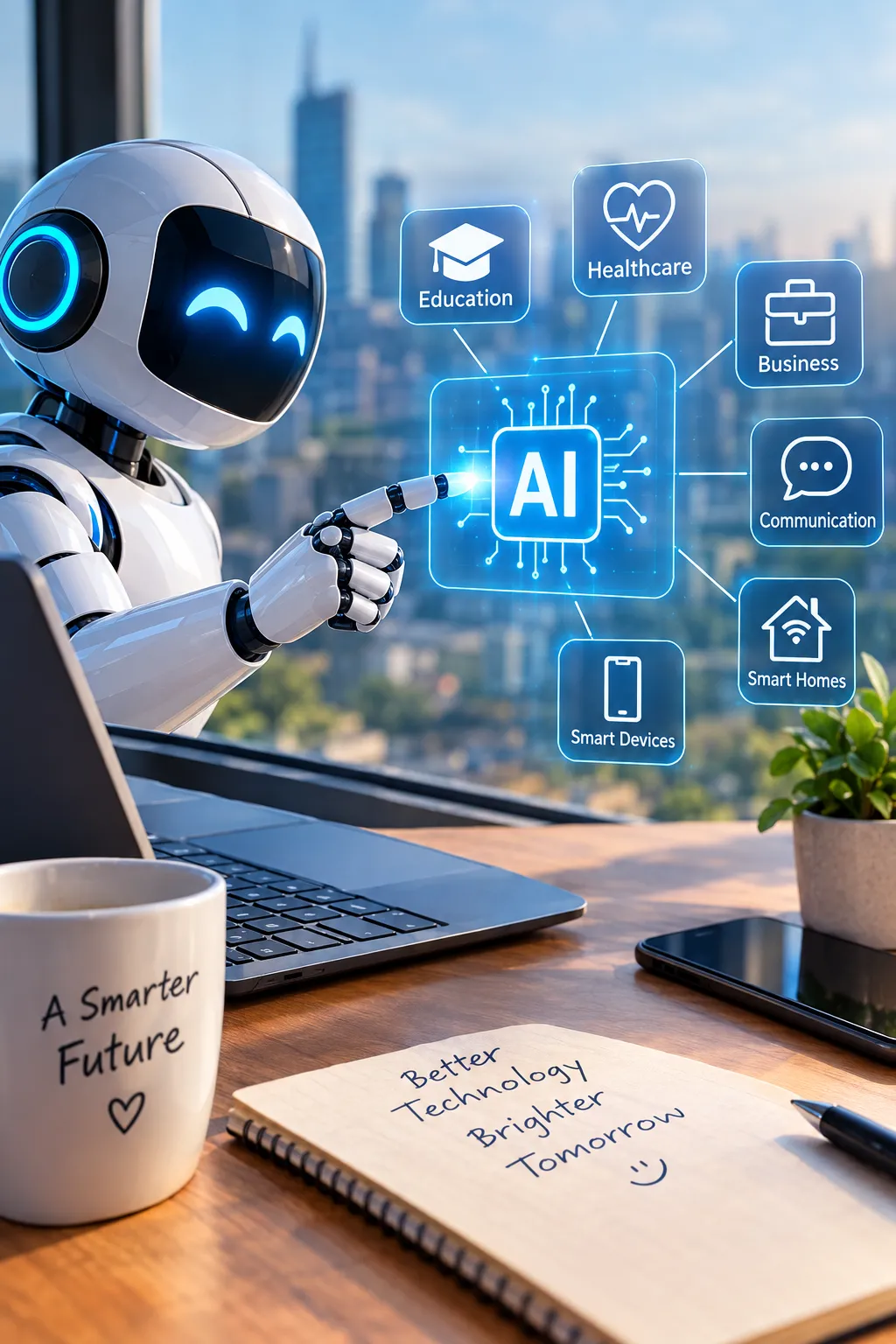
How Artificial Intelligence Is Changing Our Everyday Lives
Artificial Intelligence, commonly known as AI, is one of the most important technologies shaping the modern world. Although artificial intelligence was once associated mainly with science fiction, it has now become a part of everyday life. People interact with AI through smartphones, websites, social media platforms, online shopping services, smart devices, and many other digital tools without always realizing it.
One of the main reasons AI has become so popular is its ability to process huge amounts of information quickly. Traditional computer programs usually follow a fixed set of instructions, while artificial intelligence can analyze data, recognize patterns, learn from information, and provide useful predictions or recommendations. This ability has made AI valuable in many different industries.
AI in Smartphones and Smart Devices
Smartphones are among the most common examples of AI technology. Voice assistants can understand spoken questions and provide answers, while facial recognition can help users unlock their devices. Modern smartphone cameras also use AI to improve photographs automatically by recognizing faces, objects, lighting conditions, and scenes.
Smart home devices are another example. Smart speakers, security cameras, lighting systems, and home assistants can learn user preferences and perform tasks automatically. These technologies can make everyday activities more convenient and save people time.
AI in Education
Artificial intelligence is also transforming education. Online learning platforms can use AI to understand how students learn and recommend lessons based on their individual needs. Students can use intelligent tools to explain difficult concepts, practice languages, summarize information, and receive instant feedback.
Teachers can also benefit from AI. It can help organize educational materials, analyze student performance, and reduce time spent on repetitive administrative tasks. However, AI should support teachers rather than completely replace the human interaction that is essential for effective education.
AI in Business
Businesses around the world are using artificial intelligence to improve productivity and customer experiences. Companies can use AI to analyze customer behavior, predict market trends, answer common questions, and automate repetitive tasks.
AI-powered chatbots, for example, can provide customers with quick answers at any time of the day. Businesses can also use intelligent systems to analyze large amounts of data and make more informed decisions.
For employees, automation can reduce the amount of time spent on routine work. This allows people to focus on creative thinking, problem-solving, communication, and other tasks that require human judgment.
AI in Healthcare
Healthcare is another area where artificial intelligence has significant potential. AI systems can help doctors and medical professionals analyze medical images, organize patient information, and identify patterns that may require further investigation.
Artificial intelligence can also support medical research by analyzing large datasets and helping researchers discover relationships between different factors. While AI can be a powerful tool, important medical decisions should remain under the supervision of qualified healthcare professionals.
AI and Communication
The way people communicate has also changed because of artificial intelligence. Translation tools can help people communicate across different languages, while recommendation systems can suggest content based on individual interests.
Social media platforms use AI to organize feeds and recommend videos, photos, and articles. Email services can also use AI to identify spam messages and suggest quick responses.
These features can make communication faster and more personalized, but they also raise questions about privacy, personal data, and how digital platforms influence what people see online.
Challenges of Artificial Intelligence
Despite its many benefits, AI also creates challenges. Privacy and data security are major concerns because intelligent systems often depend on large amounts of information. There are also concerns about misinformation, biased algorithms, and the effect of automation on certain jobs.
Another important challenge is responsible use. People should understand that AI systems are not always perfect. They can make mistakes, produce inaccurate information, or reflect problems in the data used to train them. Human review and responsible decision-making therefore remain essential.
The Future of AI
The future of artificial intelligence is likely to bring even more changes. AI may become increasingly integrated into homes, workplaces, transportation, education, entertainment, and many other areas.
As the technology develops, the most important goal should not simply be to create more powerful AI systems, but to use them in ways that benefit people. Education, transparency, privacy, and responsible development will play an important role in building trust in artificial intelligence.
Conclusion
Artificial intelligence is no longer a technology of the distant future. It is already changing how people live, work, learn, communicate, and use digital services. From smartphones and smart homes to education, business, and healthcare, AI is becoming an important part of modern society.
The technology offers enormous opportunities, but it also requires responsibility. By understanding both the benefits and challenges of AI, people can make better decisions about how to use it. The future of artificial intelligence will depend not only on how advanced the technology becomes, but also on how wisely and responsibly people choose to use it.

Passkeys Explained: How to Replace Your Passwords Safely
What passkeys are, why they resist phishing, and a step-by-step plan to switch your email, bank and social accounts without getting locked out.
Understanding the Basics of Cybersecurity at Home
Simple, jargon-free steps every household can take to protect accounts, devices and personal data.

15 Best AI Tools for Bloggers in 2026
A practical, honest guide to AI tools for bloggers, with realistic options, safety checks, common mistakes, and a clear starting plan.